Table of Contents
ToggleAbortion is a medical procedure that, when performed safely and under proper supervision, carries minimal risk. However, signs of womb damage after abortion can occasionally appear and recognizing them early can help reduce complications.
This blog post will offer an in-depth insight into the the warnings signs that every woman should be aware of and precautions to take in order to reduce complications.
Key Point
Womb damage from abortion is extremely rare, especially when performed by qualified professionals using safe methods. Modern techniques, like medical abortions with pills or suction aspiration, minimize the risks associated with pregnancy termination hence hence no fear to end a pregnancy you not willing to continue with.
Can Abortion Damage The Womb?
Yes. A surgical abortion, a procedure that involves the removal of the contents of the uterus by using surgical equipment, carries potential damage to the uterine lining or structure if not performed by a trained professional.
Like though medical abortions, which typically involve taking prescribed medications to induce a miscarriage rarely lead to such complications but if the procedure is unsuccessful, it can also lead to sever complications.
How Common Is Womb Damage After an Abortion?
Womb damage after an abortion is extremely rare, especially when performed by trained professionals in a safe environment. Studies indicate that uterine perforation, the most common type of damage, occurs in less than 1% of surgical abortions and is even lower with medical abortions using pills.
- Factors such as the patient’s medical history and pregnancy stage can affect complication risks.
- Choosing reputable abortion providers and following medical advice can minimize the risk to nearly negligible levels.
Signs of Womb Damage After Abortion

There are several critical signs of womb damage after abortion that every woman should be vigilant about and seek medical attention for as soon as they recognize them. For example:-
1- Fever and Chills
A fever higher than 38°C (100.4°F) accompanied by chills may indicate an infection or sepsis, a life-threatening condition. If you experience these symptoms, seek immediate medical care.
2- Nausea and Vomiting
While some nausea is common after an abortion due to hormonal changes, persistent or severe nausea and vomiting could signal an infection or a reaction to medications. Monitor these symptoms closely and inform your doctor.
3- Severe Abdominal Pain
Mild cramping is normal after an abortion, but severe or persistent abdominal pain may indicate complications like uterine perforation or infection. Ongoing pelvic discomfort not improving with home remedies could signal signs of womb damage or other issues such as endometriosis or fibroids.
4- Heavy or Prolonged Bleeding
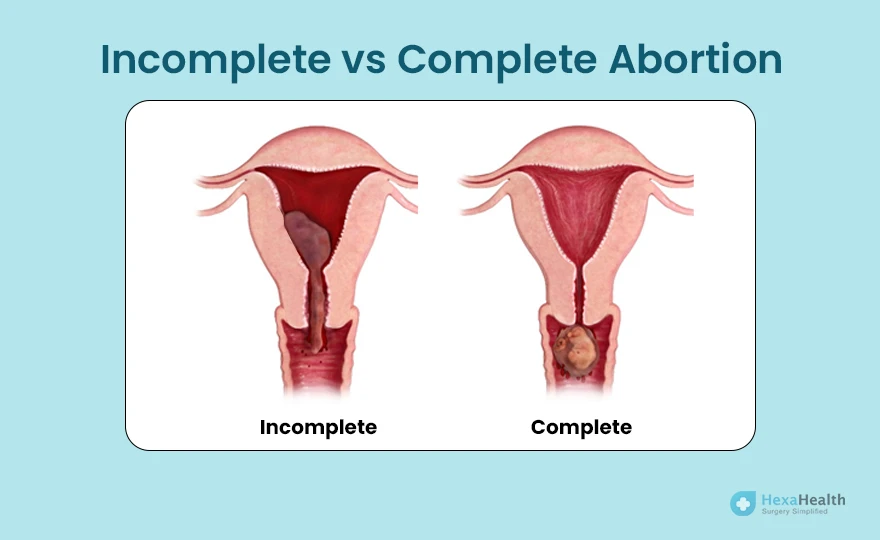
Bleeding is expected after an abortion, but excessive bleeding (soaking through more than two pads per hour for several hours) or bleeding that lasts longer than two weeks may signal damage to the uterine lining or incomplete abortion. This requires urgent medical attention.
5- Difficulty Urinating
Painful or difficult urination, or the inability to urinate, could indicate damage to the bladder or urinary tract, which may have occurred during the procedure. This symptom warrants immediate evaluation by a healthcare professional.
5- Foul-Smelling Vaginal Discharge
A foul-smelling discharge could be a sign of infection in the uterus or surrounding areas. Infections can lead to scarring or other complications if left untreated, so it’s essential to consult a healthcare provider as soon as possible.
6- Uterine wall perforation
Uterine wall perforation is a rare complication of abortion, occurring in about 1 in 500 cases when a medical instrument punctures the uterus. This can lead to infection, heavy bleeding, or signs of womb damage post-abortion.
7- infertility
Infertility is the inability to conceive after one year of trying or sustain a pregnancy. The causes of womb damage are often unknown but can be linked to previous abortions or medical procedures. Multiple abortions increase the risk of womb damage, as the healing time between procedures may be insufficient, leading to scarring and infertility issues.
How Can You Minimize the Risks?
There are several steps you can take to protect your health and safety while making an informed decision. Contacting certified abortion providers near you can help you should be the first step in understanding your options before terminating the pregnancy hence reducing the risks.
- 1 .** Confirm Pregnancy:- Confirming pregnancy through a home pregnancy test or an ultrasound is essential. These methods can accurately determine the gestation period and help identify whether the pregnancy is ectopic or not.
- 2. ** Follow-up Appointments:-Attending all follow-up appointments as scheduled is crucial for ensuring proper healing and recovery following medical treatment. These appointments serve as essential checkpoints where healthcare providers can monitor your progress, assess how well the treatment is working, and make any necessary adjustments to your care plan
Medical vs. Surgical Abortion: Risks to the Womb
| Aspect | Medical Abortion | Surgical Abortion |
|---|---|---|
| Procedure | Uses medication (pills) to induce abortion. | Uses instruments to remove pregnancy tissue. |
| Risk of Womb Damage | Extremely rare. | Rare, but slightly higher than medical abortion. |
| Common Risks | Cramping, bleeding, incomplete abortion. | Uterine perforation, infection, bleeding. |
| Likelihood of Uterine Injury | Negligible when guidelines are followed. | Less than 1% when performed by trained professionals. |
| Suitability | Recommended for early pregnancies (up to 10 weeks). | Effective for both early and later pregnancies. |
| Recovery Time | Typically faster, no surgical intervention. | Requires a short recovery period post-procedure. |
| Follow-Up Care | May need additional procedure if incomplete. | Rarely requires further intervention. |
| Overall Safety | Highly safe when done under medical supervision. | Highly safe in professional medical settings. |
| Aspect | Medical Abortion | Surgical Abortion |
|---|---|---|
|
Procedure |
Uses medication to induce the pregnancy |
Uses medical instruments to remove the pregnancy. |
|
Content |
Content |
Content |
|
Content |
||
|
Content |
||
|
Content |
||
|
Content |
||
|
Content |
||
|
Content |
||
|
Content |
||
|
Content |
Where to Get Help!
If you are contemplating an abortion, or experiencing any signs of womb damage after abortion, it is important to reach out to us to ensure you make a well-informed decision that prioritizes your health. Remember, you are not alone and we are here to support you.

Frequently Asked Questions
Yes, an ultrasound can be used to check for any signs of damage, such as scarring, retained tissue, or perforation of the womb. If there are concerns about womb damage after an abortion, a doctor may recommend an ultrasound to assess the situation and provide appropriate treatment.
Normal post-abortion bleeding typically lasts for up to two weeks, starting with light spotting that gradually becomes heavier and then tapers off.
Signs of womb damage, on the other hand, include continuous heavy bleeding, passing large clots, or bleeding after the initial two-week period. If bleeding is excessive, seek medical care.
If the womb sustains significant damage during an abortion, there could be long-term effects such as scarring, infection, or future fertility issues.
However, most women recover well after a safe abortion. It’s crucial to follow medical advice and attend follow-up appointments to monitor healing.