

Table of Contents
ToggleUnderstanding how abortion pills work is important for anyone considering a medical abortion, because it helps you know what actually happens in your body throughout the process and what to expect at each stage.
During the abortion process, the body goes through a series of natural hormonal and physical changes that allow the uterus to safely end the pregnancy and pass the pregnancy tissue in a way similar to an early miscarriage.
Key Points
- Abortion pills are a combination of two medicines.
- Mifepristone blocks the female horomone progesterone.
- Misoprostol causes the uterus to expel the pregnancy tissue.
- The process happens in stages, usually over 1 to 2 days.
- Bleeding and cramping are expected signs that the pills are working.
- Timing, dosage, and gestational age can affect how the pills work.
What Are Abortion Pills?
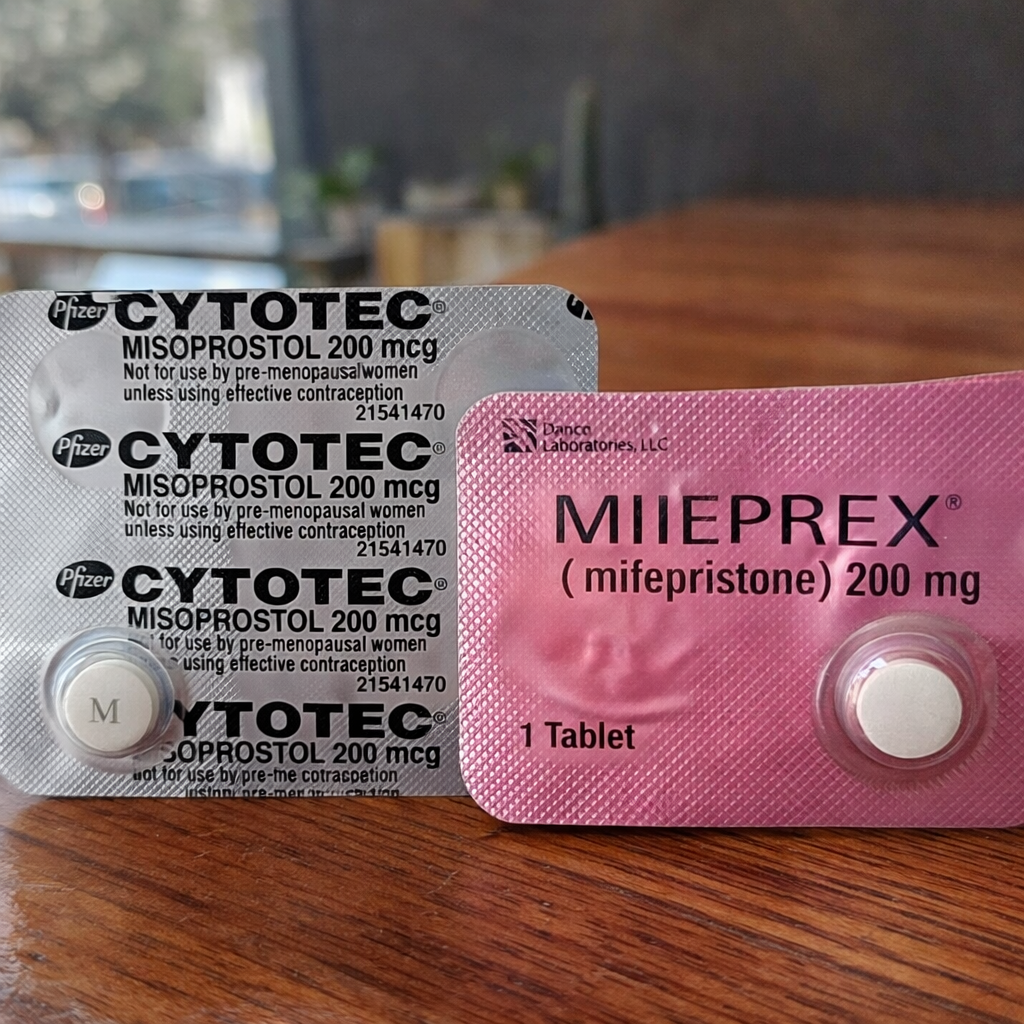
Abortion pills are a combination of two medicines, mifepristone and misoprostol used together to end an early pregnancy in a non-surgical way.
-
Mifepristone (RU-486)
Blocks progesterone, the hormone required for pregnancy to continue. Without it, the pregnancy cannot develop. -
Misoprostol (Cytotec)
Causes the uterus to contract and gently expel the pregnancy tissue, completing the abortion process.
How Do Abortion Pills End a Pregnancy?
Abortion pills help the body end an early pregnancy naturally, without surgery. The process is similar to a miscarriage and happens in a few steps.
-
Uterine Lining Breakdown:
The process begins after taking mifepristone, which blocks progesterone, the hormone needed to support the pregnancy, causing the uterine lining to break down. -
Cervix Softening:
About 24 hours later, misoprostol is taken, which softens the cervix and slightly opens it, preparing the body to pass the pregnancy tissue. -
Passing the Pregnancy:
1–4 hours later, the uterus contracts and expels the pregnancy tissue naturally. This completes the medical abortion, similar to a miscarriage.
Curious On How To Use Abortion Pills Safely?
Learn how to take them at home safely by visiting our How To Use Abortion Pills at Home Guide ↗ .
Learn how to take them at home safely by visiting our How To Use Abortion Pills at Home Guide ↗ .
When Does Bleeding Start?
Bleeding usually begins a few hours after taking misoprostol, though timing can vary. Some people may start bleeding immediately, while for others it can take up to 24 hours. This bleeding is a normal sign that the pills are working.
How Effective Are Abortion Pills?
When taken together, (mifepristone and misoprostol) is highly effective at ending pregnancies under 10 weeks, with a success rate of over 97% most of the times, with most people completing the process without needing additional medication.
The earlier the abortion pill is used, the better it works. A follow-up visit 7–14 days later will be needed to confirm that the abortion pill worked. If not, a surgical procedure may be needed to complete the process.
Effectiveness by Pregnancy Stage
When using the standard two-medication regimen, mifepristone followed by misoprostol, the success rates are typically as follows:
- 4 – 8 weeks: 94%–98% effective.
- 8–9 weeks: 94%–96% effective.
- 9–10 weeks: 91%–93% effective.
- 10–11 weeks: 87% effective (an extra dose might be needed)
“
When used as directed, abortion pills (mifepristone followed by misoprostol) are over 95% effective at terminating pregnancies within the first 10 weeks. Correct timing and dosage are important for optimal results.
— Safe and Effective Method
Source: Clinical guidelines (ACOG)
What Factors Can Affect How Abortion Work?
Several factors can influence how abortion pills work and how the body responds during the process.
-
Pregnancy Duration:
Abortion pills tend to work more effectively in the early weeks of pregnancy. As the pregnancy progresses, the process may take longer and effectiveness can gradually decrease. -
Timing of Doses:
Taking the medicines in the correct order and at the recommended intervals is important to ensure they work together as intended. -
Individual Body Response:
Each person’s body may respond differently. Some may experience quicker results, while others may take more time for the process to complete.
What to Expect after Taking Abortion Pills
After taking misoprostol, you should expect a process similar to a heavy, crampy period or an early miscarriage, as the medication causes the uterus to contract and empty its contents naturally.
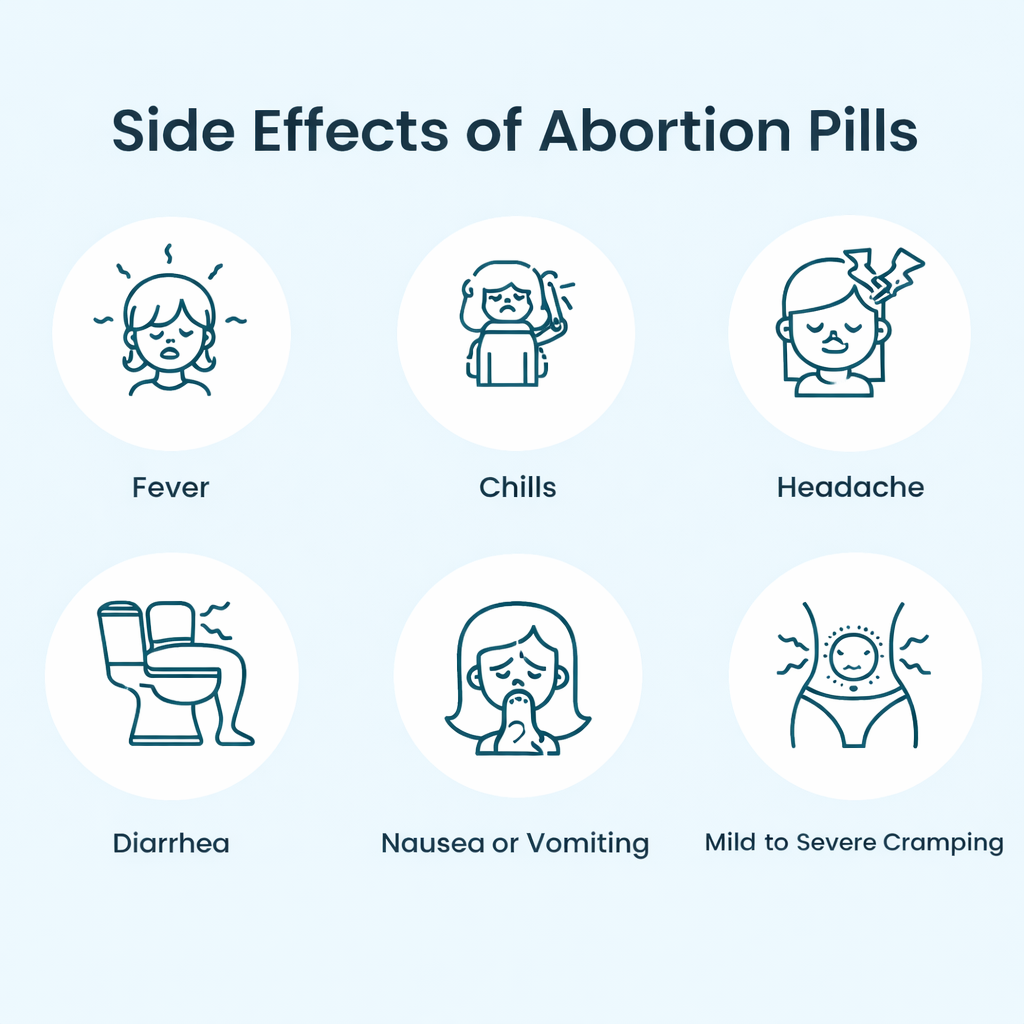
Some people may experience, nausea, vomiting, diarrhea, chills, and cramping after taking misoprostol, although symptoms can vary between individuals.
Timeline (First 24 Hours)
The most intense effects typically occur after taking the misoprostol tablets. You may experience nausea, vomiting, diarrhoea, a mild fever, or chills.
Cramping and bleeding: These usually begin within 1–4 hours after taking misoprostol. Heavy bleeding and strong cramps commonly last for several hours (about 3–5 hours) as the pregnancy tissue passes.
How to Care for Yourself During the Process
During this time, it is important to rest in a comfortable, private environment where you feel safe. It is recommended to use sanitary pads rather than tampons.
Have a glass drinking water, light snacks, and any recommended pain relief medication nearby to help you manage the process more comfortably.
When Abortion Pills May Not Work as Expected
While abortion pills are highly effective in terminating early pregnancies, there are certain situations where they may not work. For example:-
-
Pregnancy Beyond 12 Weeks:
As the pregnancy progresses beyond the recommended timeframe, their effectiveness may decrease. -
Ectopic Pregnancy:
Abortion pills do not work for pregnancies that develop outside the uterus (ectopic pregnancy). This condition requires a surgical procedure. -
Incorrect Use or Timing:
Not following the correct order, dosage, or timing of the medicines can reduce how well they work.
Are You Eligible For Abortion Pills?
Not sure if you qualify for abortion pills? Find out in our Abortion Pills Eligibility Guide ↗ .
Not sure if you qualify for abortion pills? Find out in our Abortion Pills Eligibility Guide ↗ .
When to Seek Medical Attention
Contact a healthcare provider like Carlton Women's Clinic Johannesburg immediately if you experience:
- Heavy Bleeding: Soaking through more than two large maxi-pads per hour for two hours in a row.
- Severe Pain: Intense abdominal pain or cramps that do not improve with pain medication.
- No Bleeding: If no bleeding occurs within 24 hours after taking the second medication (misoprostol).
Summary
Abortion pills offer a safe and effective way to end an early pregnancy when used correctly. Understanding how the medicines work, what to expect during the process, and the factors that can influence the outcome helps you feel more prepared and confident.
With the right support and knowledge, using abortion medication as known as a medical abortion can be a predictable and manageable experience. Should you need confidential support or guidance, Feel free to WhatsApp our Clinic.
Frequently Asked Questions!
+ Do abortion pills work immediately?
No. The first pill (mifepristone) starts the process, but most physical effects begin after taking the second medicine (misoprostol), usually within a few hours.
+ What does it feel like when the pregnancy passes?
Most people experience cramping and bleeding similar to a heavy period. You may notice blood clots or tissue passing, which is a normal part of the process.
+ How do I know if the abortion pills worked?
Heavy bleeding followed by lighter bleeding is a common sign. A pregnancy test after a few weeks or a follow-up with a healthcare provider can confirm that the process is complete.
+ Are cramps or contractions necessary?
Yes. Uterine contractions help expel the pregnancy tissue and are a normal and expected part of the process.
+ How long does bleeding last after taking abortion pills?
Bleeding usually starts within a few hours after taking the second medicine and can last for several days, followed by lighter spotting for up to a few weeks.
References
▼
- New York Times. (2021). Abortion Pills and FDA Guidelines. Retrieved from https://www.nytimes.com/2021/12/16/health/abortion-pills-fda.html
- Section27. (2019). Gauteng Abortion Services Pamphlet. Retrieved from https://section27.org.za/wp-content/uploads/2019/08/Gauteng-Abortion-Services-Pamphlet.pdf
- University of KwaZulu-Natal ResearchSpace. (n.d.). Research on Abortion Access and Services. Retrieved from https://researchspace.ukzn.ac.za/items/d5e541c6-1f1b-4220-a508-a0dd4b7f7b9f
- Abortion Support South Africa. (n.d.). Safe Abortion Information. Retrieved from https://abortionsupport.co.za/
- Government of South Africa. (2019). North West Health Facilities Offer Safe Termination of Pregnancy. Retrieved from https://www.gov.za/news/media-statements/north-west-health-facilities-offer-safe-termination-pregnancy-28-oct-2019
- World Population Review. (n.d.). Countries Where Abortion is Illegal. Retrieved from https://worldpopulationreview.com/country-rankings/countries-where-abortion-is-illegal
- ScienceDirect. (2024). Medical Abortion Research Article. Retrieved from https://www.sciencedirect.com/science/article/pii/S1098301524000858
- PLOS ONE. (2018). Abortion Practices Study. Retrieved from https://journals.plos.org/plosone/article?id=10.1371%2Fjournal.pone.0197485
- Flo Health. (n.d.). Gestational Age Week by Week. Retrieved from https://flo.health/pregnancy/week-by-week/gestational-age
- DrugBank. (n.d.). Mifepristone (DB00929) Information. Retrieved from https://go.drugbank.com/drugs/DB00929
- FDA. (n.d.). Questions and Answers: Mifepristone for Medical Termination of Pregnancy. Retrieved from https://www.fda.gov/drugs/postmarket-drug-safety-information-patients-and-providers/questions-and-answers-mifepristone-medical-termination-pregnancy-through-ten-weeks-gestation
Learn More!


Glossary
✖ Close
Abortion Pill
▶
Medication used to safely end an early pregnancy, usually with two drugs: Mifepristone and Misoprostol. The pills work together to stop the pregnancy and help the body expel it.
Medical Abortion
▶
A non-surgical method for ending a pregnancy using prescribed pills, typically within the first trimester. Medical abortion does not require an operation or hospital stay.
Gestational Stage
▶
The age of a pregnancy, measured in weeks from the first day of the last menstrual period. This helps determine which abortion options are safe and available.
Licensed Abortion Provider
▶
A clinic or healthcare professional legally authorized to offer safe abortion services, following medical guidelines and local regulations.
Telemedicine
▶
Remote healthcare where patients consult with medical professionals online or by phone. For abortion services, telemedicine may allow for counseling, prescribing pills, and medical support without needing to visit a clinic in person.
Misoprostol
▶
A medication used after Mifepristone in the abortion pill regimen to cause uterine contractions and expel pregnancy tissue.
Mifepristone
▶
The first pill in the medical abortion process that blocks the hormone progesterone needed to sustain pregnancy.
First Trimester
▶
The first 12 weeks of pregnancy, during which medical abortion with pills is commonly available.
Counseling
▶
Support services provided to help individuals understand abortion options, process, and emotional aspects before and after the procedure.