
A Guide To Safe Abortion Pills in Johannesburg
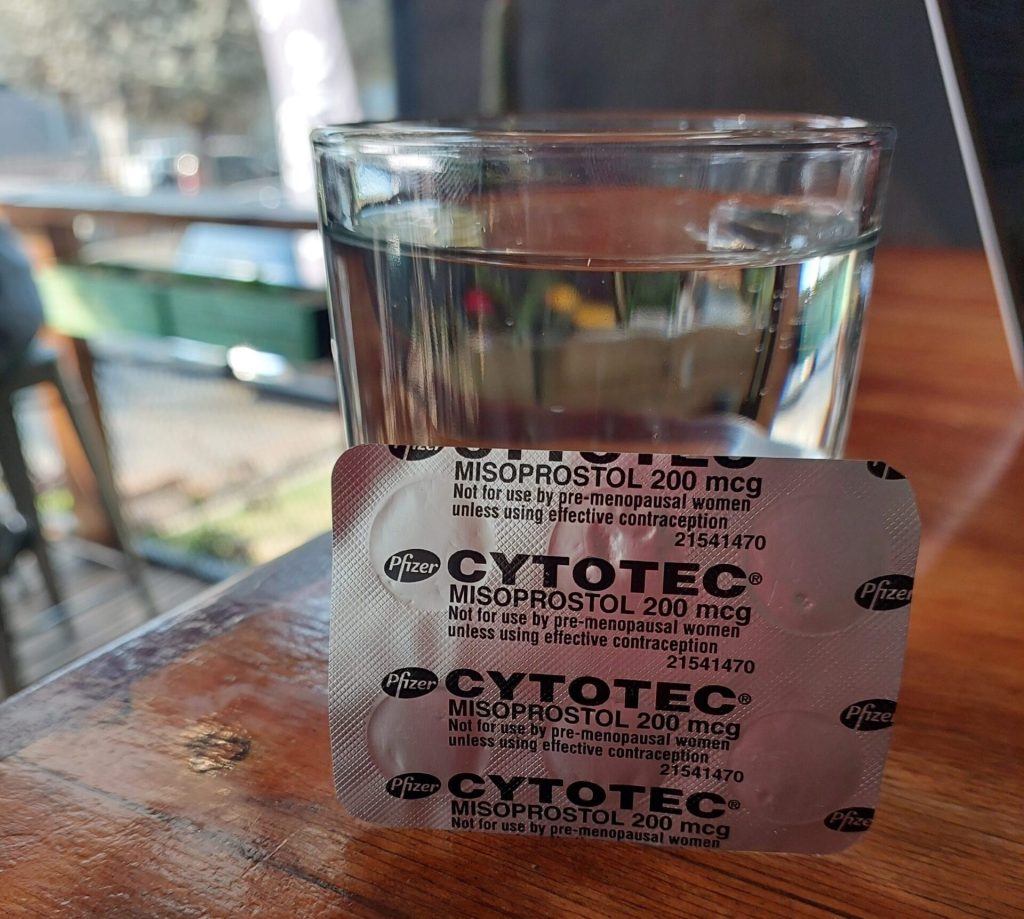
If you are considering abortion pills, it’s advisable to learn how medication abortion works, what to expect, and whether it may be suitable for your pregnancy depending on individual circumstances.
The process of using abortion pills, also known as medication abortion, can be used to end an early pregnancy. However, whether abortion pills are suitable depends on how far along the pregnancy is (gestation period) and your individual medical circumstances.
Key Points
- Abortion pills are a combination of mifepristone & misoprostol.
- They are high effective when used correctly.
- When used may cause nausea, cramping and Diarrhea.
- Can be taken at home when medically appropriate.
- They are not suitable for women with ectopic pregnancies.
What Are Abortion Pills?
Abortion pills are prescription medicines, usually mifepristone and misoprostol, used to end an early pregnancy. The World Health Organization recommends medical abortion with mifepristone and misoprostol for pregnancies under 12 weeks, when medically appropriate.
Who Is Eligible to Use Abortion Pills?
In South Africa, eligibility for abortion pills depends on the weeks of pregnancy and individual medical factors. Abortion is available on request up to 12 weeks under the Choice on Termination of Pregnancy Act, with free services at government facilities and options through private providers.
Key Eligibility Criteria
1. Gestational Age: Abortion medication is usually recommended for pregnancies up to 12 weeks.
2. Age: There is no age restriction; girls and women of any age can legally access abortion medication in Johannesburg, and they do not require consent from a parent or partner.
3. Legal Status: Eligibility is not restricted to citizens only; refugees and immigrants are also eligible for free abortion services at public health facilities.
Who Should Not Use Abortion Pills?
Medication abortion should not be used if a person has any of the following conditions:
- An IUD (Intrauterine Device): It must be removed before a medication abortion can be safely used.
- Ectopic Pregnancy: Do not use abortion pills if the pregnancy is ectopic. Medication abortion does not treat ectopic pregnancies.
- Chronic Adrenal Failure: This condition can make medication abortion unsafe.
- Blood Clotting Disorders: These conditions can increase the risk of excessive bleeding.
How Do Abortion Pills Work?
Abortion pills help the body end an early pregnancy without surgery. The process involves two medicines that work together to stop the pregnancy from continuing and help the uterus empty.
-
Mifepristone:
Mifepristone blocks progesterone, the hormone needed to support the pregnancy. This causes changes that prepare the uterus for the next stage of the abortion process. -
Misoprostol:
Misoprostol is taken after mifepristone. It causes the uterus to contract and helps the cervix soften, allowing the pregnancy tissue to pass. -
Passing the Pregnancy:
The uterine contractions cause bleeding and cramping as the pregnancy tissue passes. This is similar to the process of a miscarriage.
What Can I Expect After Taking the Medication?
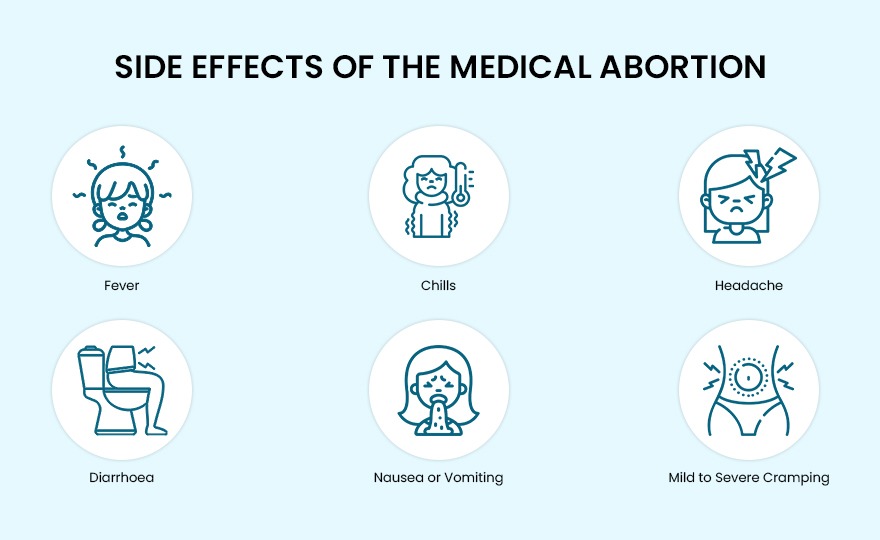
After taking the abortion medication, most women experience several abortion pill side effects that show the medicine is working. Each person’s experience is different, and these can vary from one person to another.
- Mild fever or chills
- Nausea or vomiting
- abdomenal cramping
- Vaginal bleeding or spotting
How to Care for Yourself
Taking care of yourself during a medical abortion includes managing discomfort, staying comfortable, and knowing how to look after yourself as your body responds to the medication.
- Nausea and Vomiting: Take small, frequent sips of water or other fluids and eat light foods if you feel able to. If nausea is difficult to manage, ask a healthcare professional whether an anti-nausea medicine is appropriate for you.
- Cramping and Pain: Use a heating pad or hot-water bottle to help relieve cramps. If it is medically suitable for you, an over-the-counter pain reliever such as ibuprofen can also help with pain.
- Fever and Chills: Rest and stay hydrated if you experience mild fever or chills. If a fever is high or persists, seek medical advice.
- Bleeding and Clots: Use sanitary pads rather than tampons so you can monitor how much you are bleeding. Passing blood clots can be part of the process.
How long will I bleed?
Heavier bleeding can last for one to two days. It typically lessens over two to three weeks.
Where to Get Abortion Pills in Johannesburg
Please note that you can't buy abortion medication at a regular pharmacy (like Clicks or Dis-Chem) without a doctor's prescription. But there are other legimate options to consider.
You get the from our Abortion Clinic in Johannesburg cbd. After a consultation with the nurse, your medication will be safely dispensed to you right away with clear detailed instructions on how to use them.
If you are not comfortable coming to the clinic in Joburg cbd, you may be able to access abortion care remotely from the comfort of your own home if eligible..
- Learn more about Tele-Abortion services in Johannesburg for information about eligibility and how abortion pills can be discreet delivered to you.
⚠️ Safety Notice: Avoid buying abortion tablets from informal street vendors or providers with no physical clinic address.
Conclusion
While using abortion pills is a safe and private way to end a pregnancy, you must never buy abortion medication from street vendors or illegal websites, as they can be fake and dangerous. Instead, protect your health by going to trusted, legal clinics like the Abortion Clinic in Johannesburg, where doctors and nurses can take care of you safely.
Medically reviewed by: Dr. Nelisiwe Mbele, DNB (Obstetrics and Gynaecology).
Medical Disclaimer: This content is for educational purposes only and does not replace professional medical advice, diagnosis, or treatment.
- World Health Organization. (2025). Abortion Care Guideline, 2nd ed. Retrieved from https://www.who.int/publications/i/item/9789240101596
- Republic of South Africa. (1996). Choice on Termination of Pregnancy Act 92 of 1996. Retrieved from https://www.gov.za/documents/choice-termination-pregnancy-act
- National Department of Health, South Africa. (2020). National Clinical Guideline for Implementation of the Choice on Termination of Pregnancy Act. Retrieved from https://knowledgehub.health.gov.za/elibrary/national-clinical-guideline-implementation-choice-termination-pregnancy-act-2020
- World Health Organization. (2023). Clinical Practice Handbook for Quality Abortion Care. Retrieved from https://www.who.int/publications/i/item/9789240075207
- World Health Organization. (2022). WHO recommendations on self-management of medical abortion. Retrieved from https://www.who.int/publications/i/item/WHO-SRH-22.1
Commonly Asked Questions About Abortion Pills
How effective are the abortion pills?
Abortion pills are very effective at ending an early pregnancy when taken correctly with about 95% success using the standard two‑medicine treatment (mifepristone followed by misoprostol).
How much do abortion pills cost?
The cost of abortion pills in Johannesburg varies among providers. At designated public clinics its Free, private clinics charge between R1000 – R3000 depending on the weeks of pregnancy.
However abortion clinic Johannesburg keeps it’s abortion pill prices affordable, starting from just R699, while ensuring safe and professional care.
Will abortion pills affect my fertility?
No. Abortion pills do not affect your future fertility. Medical evidence shows that a safe, uncomplicated medication abortion does not reduce your ability to become pregnant in the future or adversely affect future pregnancy outcomes. [1]
For more guidance visit our page: How To Use Abortion Pills ↗
Have a chat with the nurse and she will provide guidance based on your situation.
Message Us on WhatsApp