A medical abortion is a safe, non-surgical method of ending an early pregnancy using prescription medications, typically mifepristone and misoprostol which were approved by the FDA in 2000.
Who Can Have a Medical Abortion?
A woman can have a medical abortion procedure if the pregnancy is within 9–10 weeks, the pregnancy is not ectopic, and she is not allergic to the medications used. The following points outline who can safely access this procedure
Gestational period
If the intended pregnancy to be terminated is less 12 than weeks, then a medical abortion is suitable. The earlier it is done, the safer and less complicated it is.
Health conditions
Certain health conditions, such as bleeding disorders or women using specific medications, may affect whether medical abortion is safe for you.
Health conditions
Certain health conditions, such as bleeding disorders or specific medications, may affect whether medical abortion is safe for you.
Health conditions
A medical abortion may not be suitable for women who have an intrauterine device (IUD) that cannot be removed.
How Do Abortion Pills Work in the Body?
A
Patient Information
Before administering medications, the patient should be informed that:
Medical abortion is effective and safe. Only 2 out of 100 women will need vacuum aspiration to end the pregnancy. Complications are rare.
Misoprostol may have teratogenic effects (this information should be known in case she changes her mind after taking the drugs or if the regimen fails).
During abortion, she will experience cramping, bleeding, expulsion of blood clots, and between 13 and 22 weeks LMP, expulsion of the foetus and placenta.
Most often there will be no cramping and bleeding after taking mifepristone. Cramping and bleeding start 1 to 3 hours after taking misoprostol and usually slow down within 24 hours. They should not exceed 48 hours. Light bleeding may last up to 1 month.
The abortion will usually be completed within 24 to 48 hours.
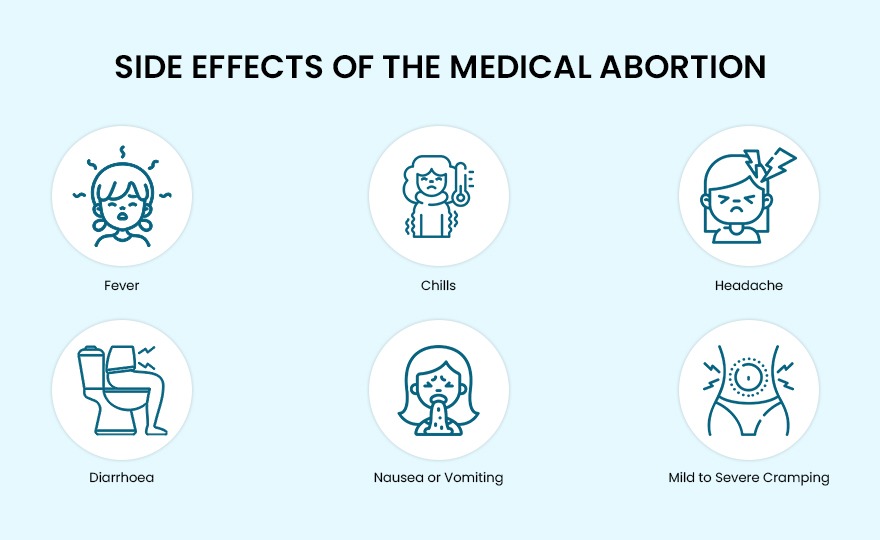
Misoprostol, especially when several doses are taken, can cause nausea, diarrhoea, chills, and fever that should not persist longer than 24 hours after taking the medication.
Severe pain, heavy bleeding (soaking 2 pads per hour for 2 consecutive hours), foul-smelling discharge, and fever lasting more than 24 hours are signs requiring immediate medical attention.
Menstrual periods will resume within 4 to 8 weeks but fertility returns rapidly; ovulation can occur as early as 10 days post-abortion. It is recommended to start contraception immediately.
What's Involved in Getting a Medical Abortion?
Step-by-Step: How Medical Abortion Works
A medical abortion or medication abortion involves taking the 2 different medications Mifepristone and Misoprostol, 24-hours apart.
Step 1: Taking Mifepristone
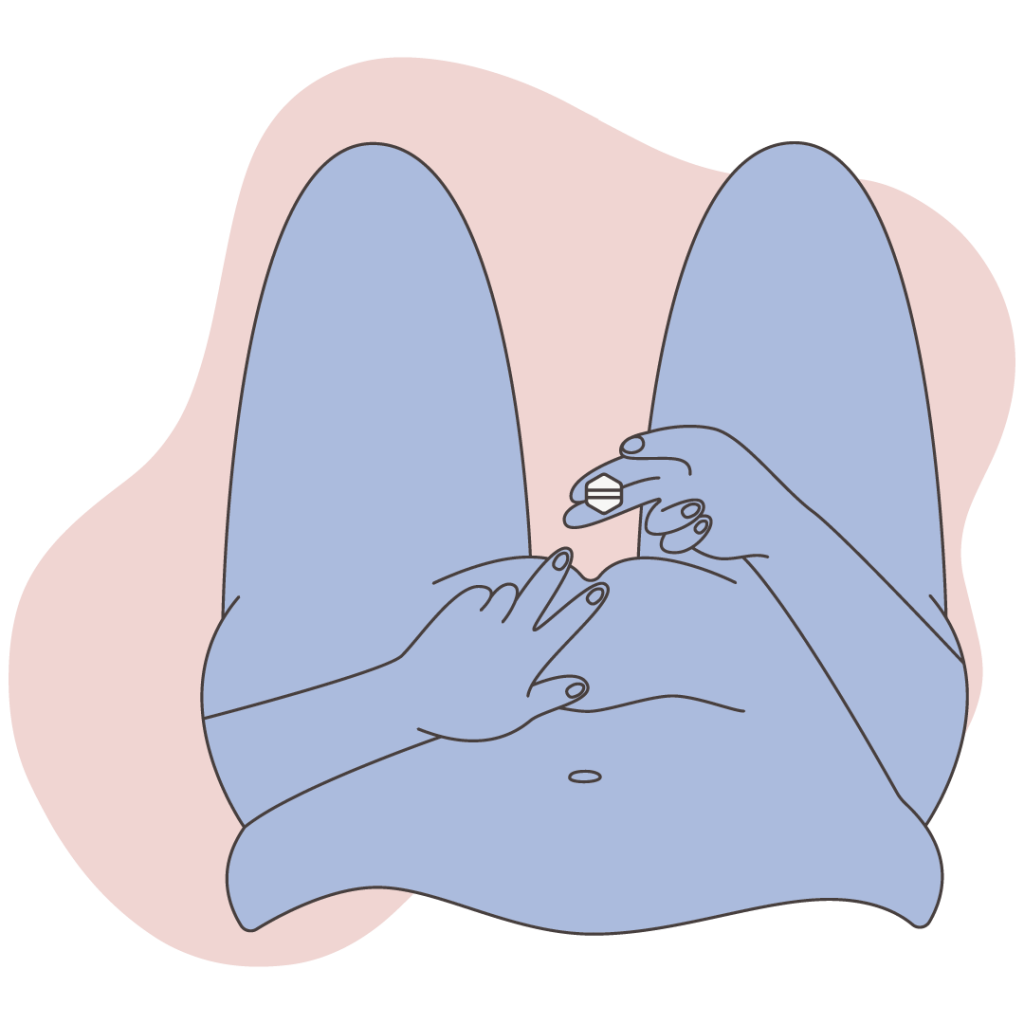
A medical abortion begins with taking the first pill, mifepristone which blocks the pregnancy hormone progesterone. This pill is usually placed your cheeks and gums and as it dissolves you swallow.
Note:- Most women do not feel any side effects from this pill but if you feeling nauseous with the pregnancy, you can take one ondansetron (anti-nausea) pill before using the mifepristone.
Step 2: Taking Misoprostol
The misoprostol tablets, are more effective when used vaginally because they help to soften the cervix hence causing some cramping similar to strong period pains.
Note:- It’s normal to experience cramping and bleeding within a few hours after taking misoprostol. You can take a pain relief tablet such as ibuprofen before or after using the pills to help manage discomfort.
Patient Information
Before administering medications, the patient should be informed that:
Medical abortion is effective and safe. Only 2 out of 100 women will need vacuum aspiration to end the pregnancy. Complications are rare.
Misoprostol may have teratogenic effects (this information should be known in case she changes her mind after taking the drugs or if the regimen fails).
During abortion, she will experience cramping, bleeding, expulsion of blood clots, and between 13 and 22 weeks LMP, expulsion of the foetus and placenta.
Most often there will be no cramping and bleeding after taking mifepristone. Cramping and bleeding start 1 to 3 hours after taking misoprostol and usually slow down within 24 hours. They should not exceed 48 hours. Light bleeding may last up to 1 month.
The abortion will usually be completed within 24 to 48 hours.
Misoprostol, especially when several doses are taken, can cause nausea, diarrhoea, chills, and fever that should not persist longer than 24 hours after taking the medication.
Severe pain, heavy bleeding (soaking 2 pads per hour for 2 consecutive hours), foul-smelling discharge, and fever lasting more than 24 hours are signs requiring immediate medical attention.
Menstrual periods will resume within 4 to 8 weeks but fertility returns rapidly; ovulation can occur as early as 10 days post-abortion. It is recommended to start contraception immediately.
What Happens After Taking Abortion Pills?
A
Normal Symptoms
A
What Is Not Normal
A
NB:- A medical abortion can be safely managed at home under the guidance of trained medical personnel who provide instructions and support throughout the process
How Long Does a Medical Abortion Take?
A
Is a medical abortion safe?
No, medical abortion does not cause long-term fertility problems. According to current medical evidence, an uncomplicated medical abortion also does not increase the risk of ectopic pregnancy or breast cancer.
How Do I Know If My Abortion Didn't Work?
A
When to Seek Medical Help
A
What's Involved in Getting a Medical Abortion?
A doctor or nurse guides and checks you during a medical abortion, but you take the medication and complete the process yourself, usually at home. You will be given clear instructions and support at each stage.
What’s Involved in Getting a Medical Abortion?
Consultation: A doctor or nurse discusses your health, confirms how far along the pregnancy is, and explains the medical abortion process. This may happen at the clinic or through telemedicine.
Eligibility check: The provider confirms that a medical abortion is safe and suitable for you, based on factors such as weeks of pregnancy, medical history, and current medications.
Medication: You take the first pill (mifepristone), followed 24–48 hours later by misoprostol. The second medicine causes the uterus to empty, usually while you are at home.
Follow-up: About a week later, you check in with the clinic—by visit, call, or message—to confirm the abortion is complete and that you are recovering well.
It’s recommended that you confirm your pregnancy and calculate the weeks of gestation before having an abortion. If you have an IUD in place, it’s important to check that you do not have an ectopic pregnancy. An ectopic pregnancy can also occur without an IUD and can be confirmed with an ultrasound. If you have an IUD in place, removing it before starting the procedure is the best option. A medical abortion can be performed safely at home by yourself under 13 weeks of pregnancy if you follow our safe2choose protocol closely.
Most abortion seekers at 13 weeks of gestation or less are eligible for a medication abortion, which may be preferable for those with certain medical conditions, such as significant uterine fibroids, congenital uterine anomalies, or introital scarring.
Abortion seekers with asthma can have a medication abortion since Misoprostol acts as a weak bronchodilator.
Multiple gestations, including twin pregnancies, are not a contraindication and can be treated with the same regimen as single pregnancies. However, a medication abortion is not recommended for those with a confirmed or suspected ectopic pregnancy, an intrauterine device in place, chronic adrenal failure, known coagulopathy, inherited porphyria, intolerance to Mmifepristone or Misoprostol, or those using current long-term systemic corticosteroid therapy or anticoagulant therapy.
Abortion seekers with significant comorbidities may still undergo a medication abortion but require additional monitoring. The safety of a medication abortion for abortion seekers with anemia is uncertain due to the exclusion of anemic abortion seekers from studies (5). If you’re unsure about what abortion methods are available and need support, contact our safe abortion counselors for guidance or visit our FAQ page for more information.
Follow-up Appointment
A
Patient Rights and Confidentiality
A
Summary
A
Share with friends!
Facebook
Twitter
Pinterest
8 Common Questions About Medical Abortion Answered