
Table of Contents
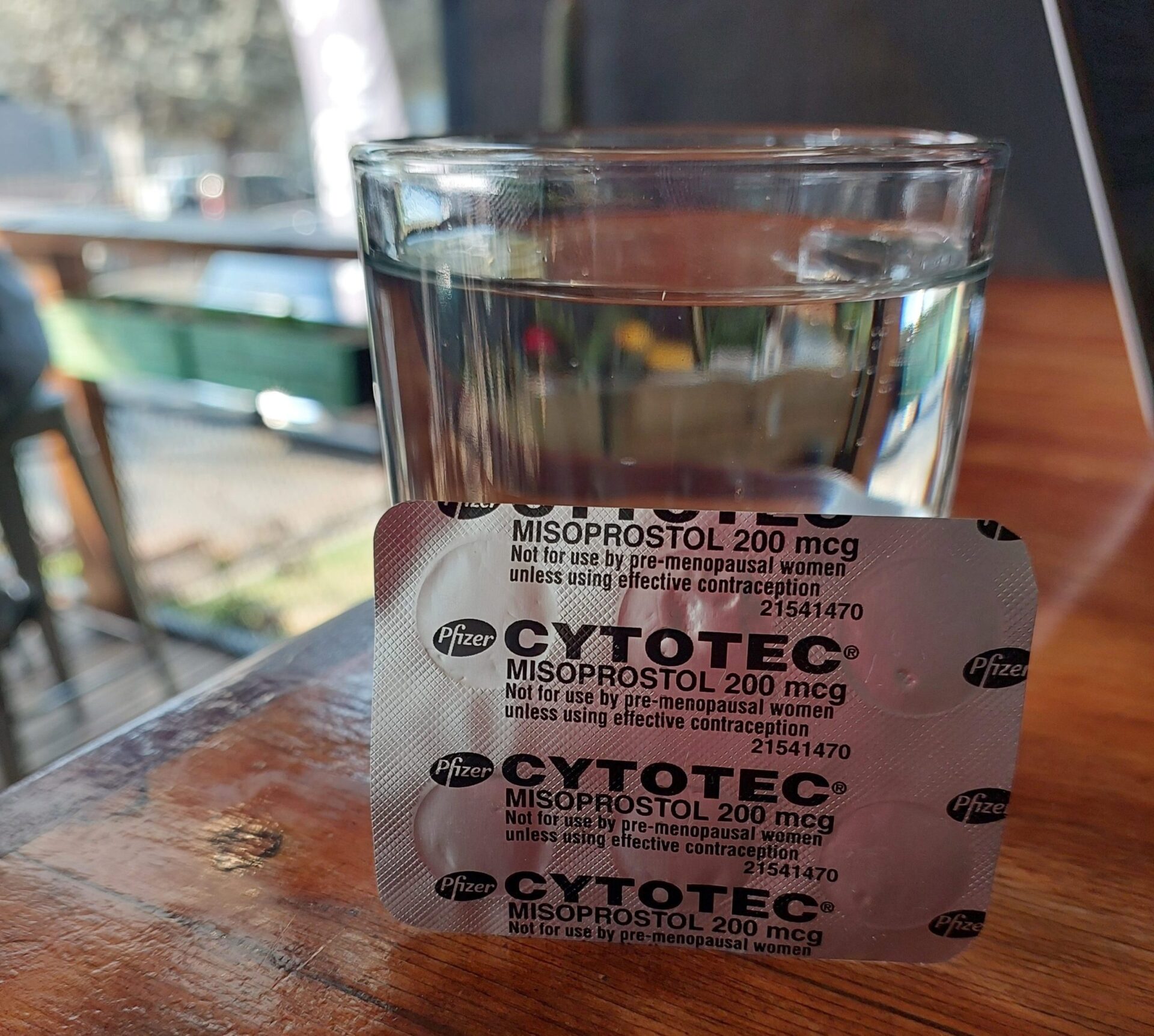
ToggleAbortion pills, (mifepristone and misoprostol) are FDA approved tablets commonly used to end an early pregnancy under 12 weeks of gestation.
They are safe, effective and have been used by many people around the world. However, it is important to understand how to use abortion pills at home to ensure the process is successful without any complications.
Key Points
- Abortion pills are two medicines: mifepristone and misoprostol.
- They are safe and effective for ending a pregnancy under 12 weeks.
- The abortion pill success rate is over 95% when used correctly.
- A follow-up is recommended 4 weeks after taking the pills.
What Are Abortion Pills?
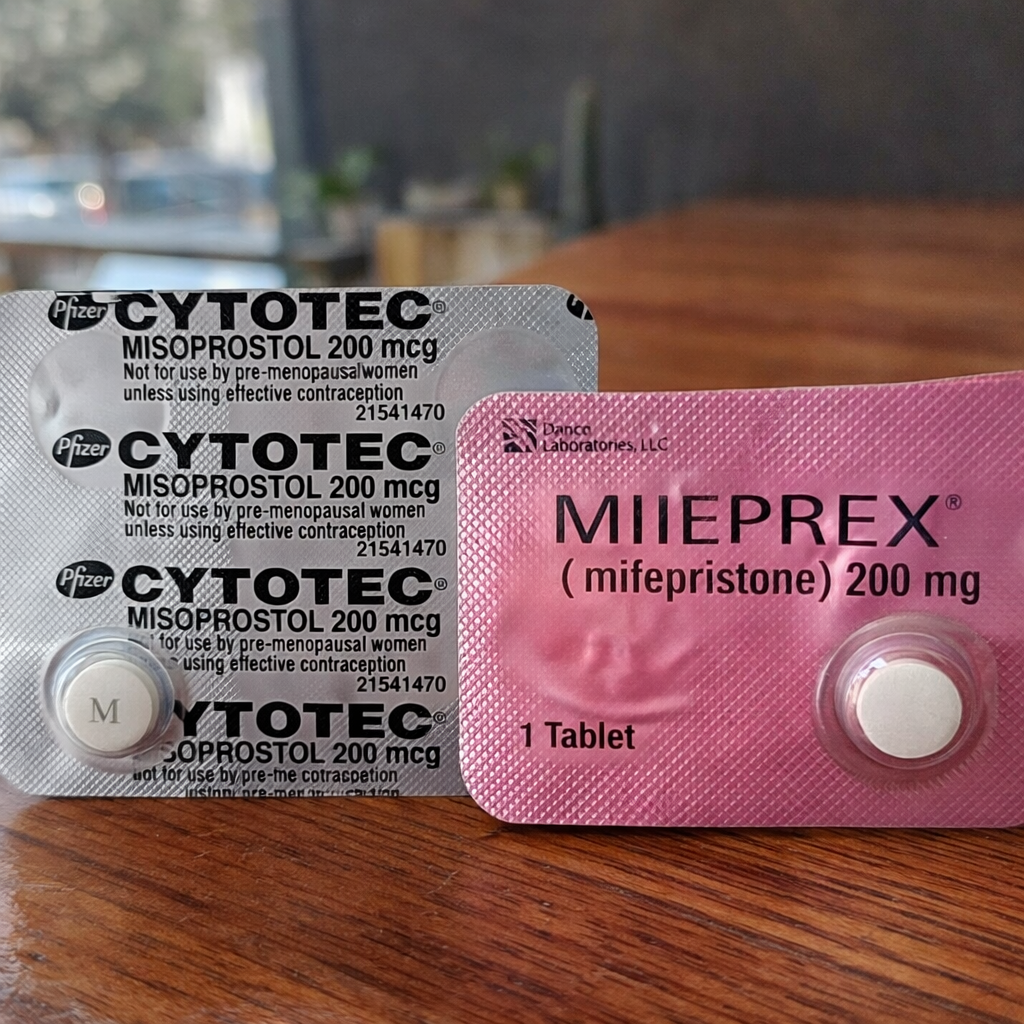
Abortion pills are a combination of 2 medically approved drugs mifepristone and misoprostol used to end up to 12 weeks (84 days) of gestation.
How Do Abortion Pills Work?
The process of using abortion pills generally involves using two medications:
- Mifepristone: The first pill you swallow, blocks the hormone progesterone which is needed for a pregnancy to continue.
- Misoprostol: Taken 24 -48 hours later, causes the uterus to contract and expel the pregnancy tissue, similar to a miscarriage which is a normal part of the process.
Check out our pregnancy calculator to see how far along you are and whether abortion pills are an option for you.
📌 Learn More About:- Abortion Pills .
What to Know Before Using Abortion Pills
Before using abortion pills at home, also known as a self managed abortion, it is important to to make sure the following conditions are met:
-
You should be under 12 weeks pregnant.
An abortion with pills is generally over 95 % effective and very safe when appropriate medications are used. According to:- MSF Southern Africa.
-
Confirm the pregnancy if possible.
A home pregnancy test is usually enough but an ultrasound is recommended to help confirm how many weeks pregnant you are.
-
Do not use abortion pills if you have an ectopic pregnancy.
An ectopic pregnancy develops outside the uterus and cannot be treated with abortion pills. It requires urgent medical care.
Self-managed medical abortion is safe when people have accurate information and access to health services if needed.
— Dr. Bela Ganatra, WHO Reproductive Health Scientist
Preparing Yourself at Home
Preparing for a self-managed abortion using abortion pills at home involves gathering the necessary medical and comfort supplies, planning a time and space for privacy and rest, and having a plan in place in case you need medical support.
Gather Essentials
- Pain Management: Stock up on abdominal pain medication like nurofens for period pains but avoid Aspirin. (It will make you bleed more)
- Hygiene: Use ordinary heavy-flow menstrual pads to monitor bleeding. Do not use tampons in order to reduce the risk of infections.
Hydration and Nutrition: Have easy-to-digest snacks like crackers or soup, and sip electrolyte drinks to stay hydrated if you experience nausea or diarrhea
Choose the Right Time
- Privacy: Find a quiet, private place with a bathroom and, if possible, a friend or family member nearby for support.
- Resting: If possible, plan to rest for 2–3 days after using the abortion pills to support a full recovery.
- Medical Support: Stay in contact with your healthcare provider through the tele‑abortion platform for guidance, check‑ins, and support.
- Bonus Tip: Be aware of local laws. Share only with trusted people and keep your online activity private.
How to Use Abortion Pills at Home
When using the standard two-pill regimen (mifepristone and misoprostol)
You need to have (mifepristone & misoprostol) and must be used on 2 separate days in order to complete the medical abortion.
Using the Abortion Pill: Buccal / Vaginal
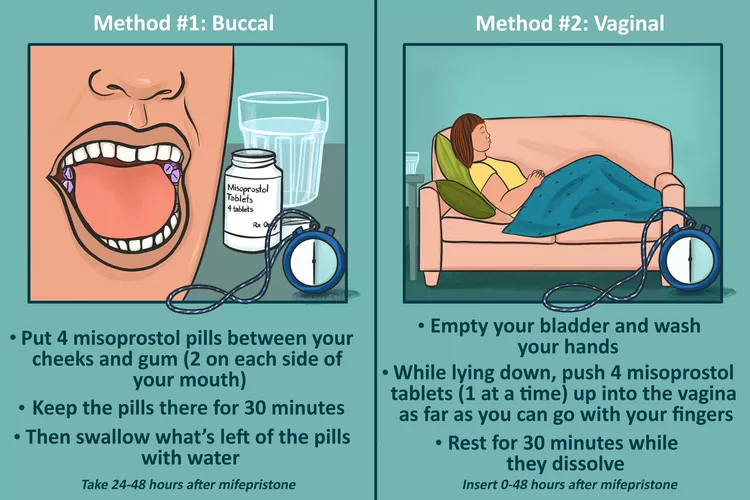
Dosage recommendations are based on the FIGO Mifepristone & Misoprostol Dosing Chart, 2023 (PDF). If you can’t access mifepristone, it’s possible to terminate a pregnancy with misoprostol alone.
Regimen Types
Combination (Mifepristone + Misoprostol):
Day 1: Taking Mifepristone
1 If you have been prescribed an anti-nausea pill, Medazine take one and wait for 30 minutes
• It’s unlikely, but if you vomit within 30 minutes, contact your abortion provider.
2 After 30 minutes, swallow the mifepristone pill with water. That’s all you need to do on day 1.
Day 2: Using Misoprostol
Misoprostol can be used in two different ways, vaginally or sublingually (under your tongue). Both methods work well, but taking it under the tongue may cause more nausea than using it vaginally.
How to use misoprostol Sublingually
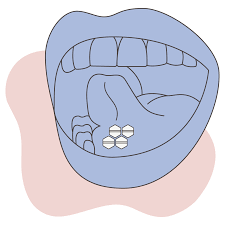
24 – 48 hours after swallowing the mifepristone tablet, start by swallowing 2 ibuprofen tablets and 1 anti nausea pill.
These medicines help reduce stomach-related side effects such as nausea, vomiting, and diarrhea.
Wait 30 Minutes!
Then take 4 misoprostol pills. Put 2 pills on each side of your mouth between the gum and cheek. Let them dissolve. You can swallow your saliva as the pills dissolve.
How to use misoprostol Vaginally
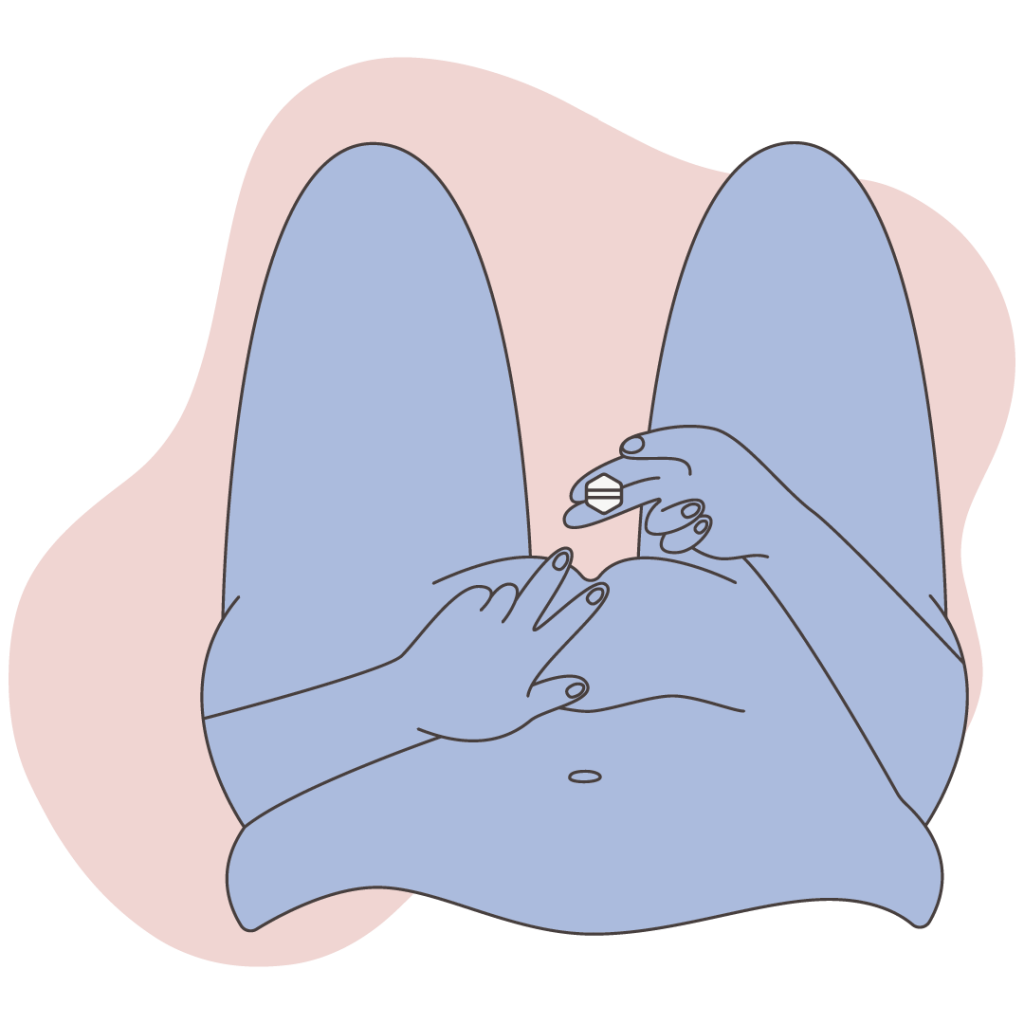
First, go to the bathroom and empty your bladder (urinate). Wet the pills with some water, using your index finger insert the misoprostol tablets as high as possible into the vagina.
Note: It is important to follow the steps properly. For detailed instructions on using abortion pills safely, check out How Abortion Pills Work ↗
Step-by-Step Action Plan
| Step | Action |
|---|---|
| Step 1 | Take 1 mifepristone tablet. |
| Step 2 | Wait for 24 hours before using misoprostol. |
| Step 3 | Swallow 2 ibuprofen ~30 minutes before misoprostol. |
| Step 4 | Use misoprostol (sublingual or vaginal as instructed by your doctor). |
| Step 5 | If bleeding is very light or no bleeding at all, consult a healthcare provider. |
| Step 6 | Test after 3 weeks to confirm the abortion is complete. |
What to Expect After Taking Abortion Pills
The first 1–4 hours after misoprostol are the most active, as your body starts expelling pregnancy tissue. Common symptoms include:
Nausea or vomiting
Nausea is common after taking misoprostol. Some people may vomit within a few hours. This is normal and usually settles on its own.
Mild fever or chills
Mild fever and chills can happen within the first few hours. This is normal. Keep warm with a blanket and rest.
Diarrhoea
Diarrhoea can happen. It is usually mild and settles on its own. Drink plenty of fluids to stay hydrated.
When Does Bleeding Start?
Bleeding typically begins within a few hours after misoprostol and indicates the medicine is working.
How to Manage Symptoms at Home
- Pain Relief: Take 800 mg of ibuprofen 30 minutes before misoprostol to help with cramps.
- Comfort Measures: Use a heating pad or hot water bottle on your lower abdomen to ease cramps.
- Track Bleeding: Use maxi pads rather than tampons during this time to monitor blood loss safely.
Medical Warning!
If you experience heavy bleeding (soaking through 2 maxi pads per hour for two hours straight) after taking the abortion medication, seek immediate medical attention.
When Additional Misoprostol May Be Needed
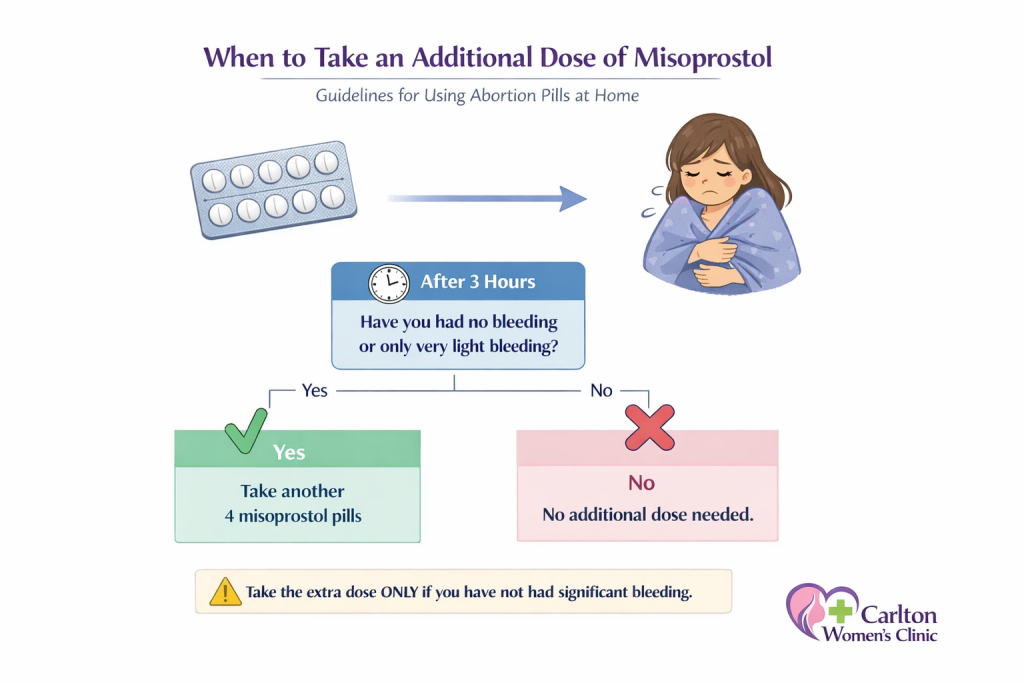
The National Department of Health notes up to four further doses may be required if the pregnancy tissue hasn’t passed after the first misoprostol dose.
When to Seek Medical Help
Although some people choose to manage the abortion process on their own, often because of access or personal reasons. If you do, it is important to watch your body closely and know when to get medical help. Problems are not common, but they can happen during or after the process.
Seek Medical Attention Immediately If You Notice:
- Heavy bleeding: Soaking through two or more sanitary pads in one hour, for two hours in a row.
- Severe or ongoing pain: Strong stomach or pelvic pain that does not improve after taking over-the-counter pain medicine.
- Fever: A temperature of 38°C (100.4°F) or higher after taking the abortion pills.
- Ongoing sickness: Constant nausea or vomiting that does not stop, which may mean the abortion is not complete.
- Bad-smelling discharge: A strong, foul, or unusual vaginal smell or discharge, which may be a sign of infection and may need treatment.
If you have any questions about taking abortion pills at home or want guidance, send a WhatsApp message to our nurses today.
For those ready, you can also order abortion pills online safely and discreetly.

 Dr. Nelisiwe Mbele with the Carlton Women’s Clinic Team
Prepared by rank4google.com an SEO company specialising in improving a website’s visibility on search engines like Google, Bing & AI.
This content is for educational purposes only, and not a substitute for medical advice.
Medically reviewed by Dr. Nelisiwe Mbele, MBBS, DNB (Obstetrics and Gynaecology).
Share with friends!
FAQ's About Using Abortion Pills at Home
Is it safe to use abortion pills at home?
Yes, using abortion pills at home is considered safe under medical guidance and taken within 12 weeks of gestation.
Can I be alone during the process?
what
Will anyone know i took abortion pills?
Why t
When can i resume normal activities?
Then
What to do if abortion pills don't work?
A
When will my next period return?
- Healthline. (n.d.). Nutrition Tips After Abortion. Retrieved from https://www.132healthwise.com/food-you-should-eat-after-an-abortion.php
- BSW Health. (n.d.). Dietary Changes After Abortion. Retrieved from https://www.webmd.com/women/guide/abortion-recovery
- Healthline. (n.d.). Weight Loss After Abortion. Retrieved from https://www.healthline.com/nutrition
- Carlton Women’s Clinic Johannesburg. (n.d.). Right Abortion Method. Retrieved from https://www.womensclinicjohannesburg.co.za/best-abortion-method/
- HealthDirect. (n.d.). Oestrogen. Retrieved from https://www.healthdirect.gov.au/oestrogen
- WebMD. (n.d.). Progesterone Uses and Risks. Retrieved from https://www.webmd.com/vitamins-and-supplements/progesterone-uses-and-risks
- Carlton Women’s Clinic Johannesburg. (n.d.). Medication Abortion. Retrieved from https://www.womensclinicjohannesburg.co.za/medical-abortion-in-johannesburg/
- Carlton Women’s Clinic Johannesburg. (n.d.). Surgical Abortion. Retrieved from https://www.womensclinicjohannesburg.co.za/what-you-need-to-know-about-surgical-abortions/
- Cleveland Clinic. (n.d.). Foods to Help Healing. Retrieved from https://health.clevelandclinic.org/foods-to-help-healing
- Life Healthcare. (2023). Post-Surgical Diet Guidance. Retrieved from https://www.lifehealthcare.co.za/media/3773/life-oncology_diet-sheets_diarrhoea_june2023_v4-outlines.pdf
- PMC. (2014). Iron Deficiency and Wound Healing. Retrieved from https://pmc.ncbi.nlm.nih.gov/articles/PMC4091310/
- Food & Home Magazine. (n.d.). Anti-inflammatory Foods. Retrieved from https://www.foodandhome.co.za/how-to/anti-inflammatory-foods
- Carlton Women’s Clinic Johannesburg. (n.d.). Recovering from Abortion. Retrieved from https://www.womensclinicjohannesburg.co.za/recovering-from-abortion/
- Harvard Health Publishing. (n.d.). Proper Hydration. Retrieved from https://www.health.harvard.edu/staying-healthy/how-much-water-should-you-drink
- Carlton Women’s Clinic Johannesburg. (n.d.). Abortion Recovery Tips. Retrieved from https://www.womensclinicjohannesburg.co.za/abortion-recovery-tips/#post-abortion-care
- BSW Health. (n.d.). Consult Your Doctor Before Starting New Diet. Retrieved from https://www.bswhealth.com/blog/consult-your-doctor-before-starting-new-diet-or-fitness-program
The physical and hormonal healing period following an abortion, during which the body restores strength, balance, and normal function.
A condition caused by low iron levels, often linked to blood loss, leading to fatigue, weakness, and reduced oxygen transport.
The stabilization of reproductive hormones after pregnancy ends, supporting energy levels, mood, and overall recovery.
A key female hormone that regulates the menstrual cycle and reproductive system, which fluctuates after abortion.
A hormone that supports pregnancy and drops after abortion, triggering physical recovery processes.
The body’s ability to digest and absorb vitamins and minerals needed for healing and energy restoration.
Foods that help reduce inflammation in the body, supporting tissue repair and faster recovery.
A diet rich in protein that supports muscle repair, tissue healing, and immune strength.
The maintenance of essential minerals that regulate hydration, nerve function, and muscle activity.
A measure of how well the body is supplied with fluids, essential for circulation and healing.
The process by which the body rebuilds damaged or stressed tissues following a medical procedure.
Dietary choices that strengthen the immune system and help protect against infection during recovery.
Foods high in iron that help replenish blood levels and reduce post-procedure fatigue.
The process by which vitamin C enhances iron uptake and supports immune and tissue health.
Medical guidance, nutrition, and self-care practices that support safe and complete recovery.