Table of Contents
Togglew.msichoices.org/latest/5-essentials-to-safely-self-manage-a-medical-abortion/
Key Points
- Focus on iron-rich foods to rebuild blood levels and prevent fatigue.
- Eat protein-dense meals to support tissue repair and faster healing.
- Include vitamin C to boost immunity and aid nutrient absorption.
- Stay hydrated with enough water and electrolyte-rich fluids.
- Avoid processed, oily, or overly spicy foods that can slow recovery.
What is a Self-Managed Abortion?
Self‑managed abortion means that the pregnant person takes a central role in ending their pregnancy, typically through medication taken at home or another private setting without direct supervision in a clinic.
It differs from a clinic‑based care, where a nurse or doctor administers or monitors the process. SMA can involve support via telehealth or remote consultation on whatsapp or direct calls between the patient and the abortion provider.
Why do women choose self-managed abortions?
Many South Africans choose self-managed abortion to protect their privacy and overcome barriers within the formal healthcare system. National estimates suggest that 52%–58% of abortions in South Africa take place outside regulated settings.
Avoiding stigma: Some women fear being discovered and judged by their communities, and experiencing stigma or shaming from healthcare workers in public clinics.
Affordability: Private abortion clinics like Cavewell abortion clinic provide tele-abortion consultations and abortion pills at affordable prices compared to in-clinic procedures.
- Avoiding delays: SMAs are a “short cut” to avoid the lengthy waiting times always at public clinics and administrative long paperwork, mandatory scans, and multiple visits that delay abortion care.
Lockdowns in 2020 reshaped abortion access in South Africa. With clinics harder to reach, tele-abortion emerged as a practical alternative, allowing medication to be prescribed via phone consultation and delivered by courier.
Patient Information
Self-managed abortion can be a safe and effective option within the first 12 weeks of pregnancy, when abortion pills are most effective.
However, individuals with certain medical conditions or those taking specific medications may face increased risks and should consult a healthcare professional before proceeding without supervision.
👉 Key Safety Considerations
- Highly effective: When taken correctly and within the recommended timeframe, abortion pills successfully end a pregnancy in most cases without the need for surgical procedures.
- Low risk of complications: Common side effects of abortion pills include cramping, bleeding, nausea, and mild fever. These effects are expected and usually resolve on their own.
- Safer than unsafe methods: Self-managed abortion using approved medications is significantly safer than unregulated or harmful abortion methods.
- Medical support recommended: Although the process can be completed safely at home, access to medical care is important in the event of heavy bleeding or other rare complications.
👉 When It May Be Unsafe
- Pregnancy beyond 12 weeks: Medical abortion becomes less effective and carries higher risks as pregnancy progresses.
- Suspected ectopic pregnancy: Also referred to as tubal pregnancy, it is a medical emergency and cannot be treated with abortion pills.
- Serious health conditions: Individuals with bleeding disorders, severe anemia, or similar conditions may face increased risks.
- Unverified or incorrect use: Using abortion pills from untrusted sources or not following correct instructions increases the likelihood of complications.
How Does a Self‑Managed Abortion Work?
Many
How do i prepare for a self‑managed abortion?
Before using abortion pills at home, such as mifepristone and misoprostol, it’s advisable to have a few essentials ready to make the process easier and more comfortable.
- Keep a phone, charger, and emergency contact info nearby.
- Have some abdominal pain relievers like Ibuprofen but avoid Aspirins.
- Set up a comfortable spot where you can lie down and feel relaxed.
For a more detailed step-by-step guide on preparation and making the process as smooth as possible, see our full post
How to Prepare for an At-home Medication Abortion
To have a successful self-managed abortion at home, all you really need is the medicine (mifepristone, misoprostol and the antibiotics). But having a few extra things on hand can make the process easier and safer.
Keep a phone, charger, and emergency contact info nearby. This way, help is just a call away if you need it. Write down the name, address, and phone number for:
- A trusted friend or family member
- A local taxi, Uber or bolt
- Contact details of the nearby clinic.
- Pain relievers:- Ibuprofens
- For Nausea:- dimenhydrinate (Dramamine)
Heat can also help with cramps. Use a stick-on heat patch, heating pad, or hot water bottle. A thermometer is useful to check your temperature and make sure you don’t have a fever.
How to Use Abortion Pills at Home
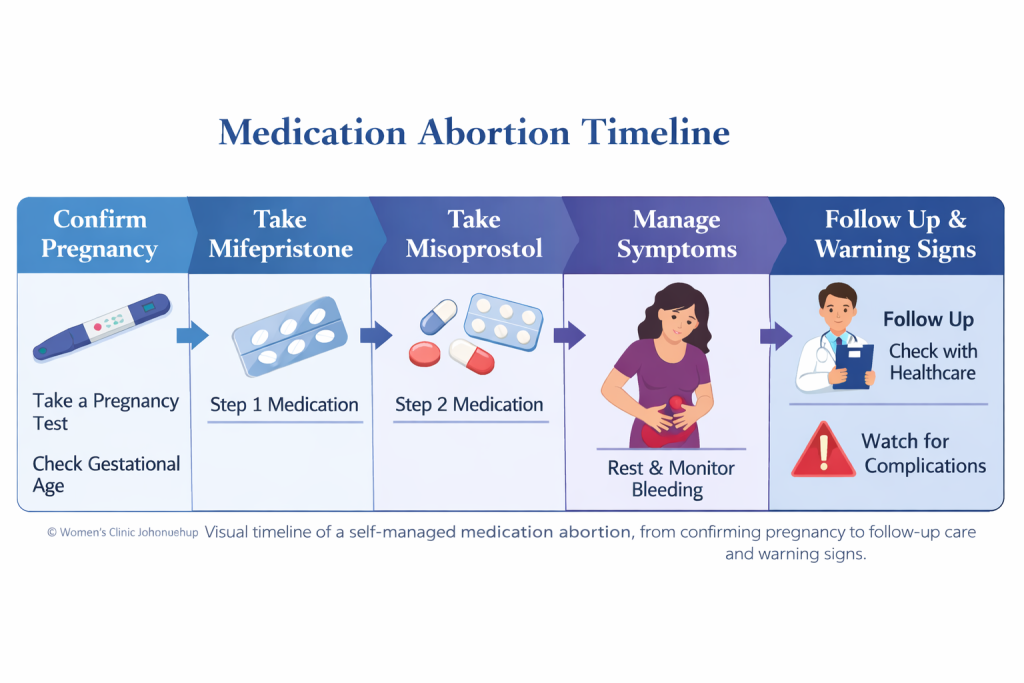
The usual process uses two medicines, taken 24 to 48 hours apart.
Step 1:- Mifepristone (1 Pill)
- Swallow mifepristone with a glass of water.
- This pill blocks your body’s own progesterone, which stops the pregnancy from growing. ( Without progesterone, the pregnancy can not continue)
Step 2: Misoprostol (4 Pills)
- 30 minutes before you take misoprostol, Take Ibuprofens to help with cramps. But don’t take aspirin because it can make you bleed more.
- Sublingual method: Place 4 Misoprostol tablets (800mcg total) under your tongue and let them dissolve for 30 minutes before swallowing any remains with water.
- Vaginal method: Alternatively, insert the 4 pills deep into the vagina and lie down for 30 minutes to ensure absorption.
📌 Learn More:- How Long Does Recovery Take? ↗
First 24–48 Hours After Abortion
How to prepare for an at-home medication abortion
If you’re considering a do-it-yourself abortion, it’s crucial to prepare thoroughly. While self managed procedure can be safe if done under the right circumstances, ensure you’re fully informed, follow recommended medical guidelines, and, ideally, have access to a healthcare provider or support organization.
Here’s a list of essential items to have on hand:
1. Medications
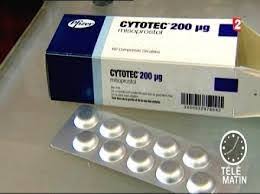
- Mifepristone (if available) and Misoprostol (cytotec): These medications are often used in combination and are most effective within the first 10 weeks of pregnancy. Be sure to follow recommended dosing guidelines carefully.
- Ibuprofen or Acetaminophen: For pain management, as cramping can be intense. Avoid aspirin, as it can increase bleeding.
- Antiemetics (like meclizine or ondansetron, if available): These can help manage nausea.
2. Supplies for Comfort and Pain Management
- Heating pad or hot water bottle: Useful for managing cramps.
- Comfortable clothing Self-care practices, such as wearing comfortable underwear, can help during recovery.
- underwear: Expect bleeding and cramping; soft, loose clothing may help ease discomfort.
- Blankets and pillows: Set up a comfortable spot where you can lie down.
3. Hygiene Supplies
- Sanitary pads: Avoid tampons or menstrual cups during this time due to infection risk.
- Tissues and towels: For comfort and cleanliness.
- Waste bags: For disposal of pads or other waste.
4. Hydration and Nutrition
- Water or electrolyte drinks to stay hydrated.
- Easy-to-digest snacks: Cramping and nausea may make eating difficult, so bland foods like crackers may be helpful.
5. Emergency and Contact Information
- Contact information for a healthcare provider or a trusted abortion support organization: For any questions or in case of complications.
- Emergency plan: In case you need to seek medical help, know where the nearest hospital or safe abortion clinic is and have transportation arranged if needed.
6. Distractions and Emotional Support
- Books, music, or movies to help keep your mind occupied and reduce anxiety.
- Trusted person to accompany you, if possible: Someone who can provide emotional support and help monitor your well-being during the abortion process.
7. Miscellaneous Items
- Phone and charger: To reach out for help or check resources if needed.
- Thermometer: To monitor for any signs of fever, which could indicate an infection.
Afterward, be sure to rest and monitor yourself closely. If you experience heavy bleeding, fever, or severe pain, reach out to a healthcare professional immediately.
How long does it take to recover after abortion?
When choosing an abortion clinic near you , look for a clinic that has positive patient reviews, is licensed and legal, offers confidential and supportive care, and provides transparent pricing.
How to Confirm a Self-managed Abortion Worked
To confirm if a self-managed abortion was successful in 2026, monitor physical symptoms such as nausea, vomiting, and bleeding patterns. It is advisable to take a home pregnancy test about 3 weeks after completing all medications or once the pregnancy has passed.
Confirming Abortion Success
- Home pregnancy test: Wait at least 3 weeks before testing. A negative result confirms success. If still positive after four weeks, see a healthcare provider. Learn more about testing accuracy here.
- Ultrasound: An ultrasound can confirm if the pregnancy was fully expelled as early as 10 days after the abortion.
- Blood tests: A series of blood tests can confirm success—one before or during treatment and another 5–7 days later.
When to Seek Medical Help
Although some people choose to manage the abortion process on their own, often because of access or personal reasons. If you do, it is important to watch your body closely and know when to get medical help. Problems are not common, but they can happen during or after the process.
Seek Medical Attention Immediately If You Notice:
- Heavy bleeding: Soaking through two or more sanitary pads in one hour, for two hours in a row.
- Severe or ongoing pain: Strong stomach or pelvic pain that does not improve after taking over-the-counter pain medicine.
- Fever: A temperature of 38°C (100.4°F) or higher after taking the abortion pills.
- Ongoing sickness: Constant nausea or vomiting that does not stop, which may mean the abortion is not complete.
- Bad-smelling discharge: A strong, foul, or unusual vaginal smell or discharge, which may be a sign of infection and may need treatment.
Summary
Focus on
 Dr. Nelisiwe Mbele, with the
Carlton Women’s Clinic
Team
Dr. Nelisiwe Mbele, with the
Carlton Women’s Clinic
Team
Share with friends!
Frequently Asked Questions
How risky are DIY Abortions?
Self-administered abortions carry inherent risks that individuals must carefully consider. For instance potential lack of knowledge regarding essential post-procedure care. This lack of information can lead to misunderstandings about what to expect and how to manage one’s health following the procedure.
How effective are self-managed abortions?
Research indicates that self management of abortion tablets is effective in over 95% of cases when used within the first 10 weeks of pregnancy, contributing to the success of the abortion.
However, it is essential for individuals to have access to accurate information about Mifepristone and Misoprostol tablets and understand the potential risks and side effects to ensure their safety during the process.
When is a self-managed abortion unsafe?
Accordion Content
- Healthline. (n.d.). Nutrition Tips After Abortion. Retrieved from https://www.132healthwise.com/food-you-should-eat-after-an-abortion.php
- BSW Health. (n.d.). Dietary Changes After Abortion. Retrieved from https://www.webmd.com/women/guide/abortion-recovery
- Healthline. (n.d.). Weight Loss After Abortion. Retrieved from https://www.healthline.com/nutrition
- Carlton Women’s Clinic Johannesburg. (n.d.). Right Abortion Method. Retrieved from https://www.womensclinicjohannesburg.co.za/best-abortion-method/
- HealthDirect. (n.d.). Oestrogen. Retrieved from https://www.healthdirect.gov.au/oestrogen
- WebMD. (n.d.). Progesterone Uses and Risks. Retrieved from https://www.webmd.com/vitamins-and-supplements/progesterone-uses-and-risks
- Carlton Women’s Clinic Johannesburg. (n.d.). Medication Abortion. Retrieved from https://www.womensclinicjohannesburg.co.za/medical-abortion-in-johannesburg/
- Carlton Women’s Clinic Johannesburg. (n.d.). Surgical Abortion. Retrieved from https://www.womensclinicjohannesburg.co.za/what-you-need-to-know-about-surgical-abortions/
- Cleveland Clinic. (n.d.). Foods to Help Healing. Retrieved from https://health.clevelandclinic.org/foods-to-help-healing
- Life Healthcare. (2023). Post-Surgical Diet Guidance. Retrieved from https://www.lifehealthcare.co.za/media/3773/life-oncology_diet-sheets_diarrhoea_june2023_v4-outlines.pdf
- PMC. (2014). Iron Deficiency and Wound Healing. Retrieved from https://pmc.ncbi.nlm.nih.gov/articles/PMC4091310/
- Food & Home Magazine. (n.d.). Anti-inflammatory Foods. Retrieved from https://www.foodandhome.co.za/how-to/anti-inflammatory-foods
- Carlton Women’s Clinic Johannesburg. (n.d.). Recovering from Abortion. Retrieved from https://www.womensclinicjohannesburg.co.za/recovering-from-abortion/
- Harvard Health Publishing. (n.d.). Proper Hydration. Retrieved from https://www.health.harvard.edu/staying-healthy/how-much-water-should-you-drink
- Carlton Women’s Clinic Johannesburg. (n.d.). Abortion Recovery Tips. Retrieved from https://www.womensclinicjohannesburg.co.za/abortion-recovery-tips/#post-abortion-care
- BSW Health. (n.d.). Consult Your Doctor Before Starting New Diet. Retrieved from https://www.bswhealth.com/blog/consult-your-doctor-before-starting-new-diet-or-fitness-program
The physical and hormonal healing period following an abortion, during which the body restores strength, balance, and normal function.
A condition caused by low iron levels, often linked to blood loss, leading to fatigue, weakness, and reduced oxygen transport.
The stabilization of reproductive hormones after pregnancy ends, supporting energy levels, mood, and overall recovery.
A key female hormone that regulates the menstrual cycle and reproductive system, which fluctuates after abortion.
A hormone that supports pregnancy and drops after abortion, triggering physical recovery processes.
The body’s ability to digest and absorb vitamins and minerals needed for healing and energy restoration.
Foods that help reduce inflammation in the body, supporting tissue repair and faster recovery.
A diet rich in protein that supports muscle repair, tissue healing, and immune strength.
The maintenance of essential minerals that regulate hydration, nerve function, and muscle activity.
A measure of how well the body is supplied with fluids, essential for circulation and healing.
The process by which the body rebuilds damaged or stressed tissues following a medical procedure.
Dietary choices that strengthen the immune system and help protect against infection during recovery.
Foods high in iron that help replenish blood levels and reduce post-procedure fatigue.
The process by which vitamin C enhances iron uptake and supports immune and tissue health.
Medical guidance, nutrition, and self-care practices that support safe and complete recovery.