
What Is A Safe Medical Abortion?
The Ultimate Guide For 2026

Table of Contents
ToggleA medical abortion, is a non-surgical abortion procedure of ending an early pregnancy using medication.
This abortion method is widely used in many countries all over the world and supported by healthcare professionals for its safety, privacy, and effectiveness.
Key Points
- It is more effective within the first 10 weeks of pregnancy.
- Common side effects include cramps and light bleeding.
- Available at licensed women’s clinics in Johannesburg.
- Always done under professional medical supervision for safety.
What Is a Medical Abortion?
A medical abortion is a non-surgical way of ending a pregnancy using prescribed medication, mifepristone and misoprostol tablets. It is similar to an early pregnancy loss.
How Does a Medical Abortion Work?
The process involves 2 medicines taken over 24 - 48 hours .
- Mifepristone : The first pill you swallow blocks the hormone progesterone which is needed for a pregnancy to continue.
- Misoprostol : Taken 24 - 48 hours later, causes the uterus to contract and expel the pregnancy tissue, similar to a miscarriage.
To learn more, visit our guide on How Medical Abortion Works ↗
Medical Abortion Pills Explained
A
Why is a medical abortion performed?
Having a medical abortion is a personal decision and there many reasons why a woman decides to end an early pregnancy safely with pills. Common reasons may include:-
- Personal circumstances: A woman may feel like she’s not ready to have a baby
- Health concerns: The pregnancy poses a high risk to the woman’s life.
- Fetal diagnosis: The fetus has an unexpected health problem.
- Treating a Miscarriage: Abortion pills help expel remaining tissue when a miscarriage hasn’t occurred on its own.
How Many Weeks Can You Have an Abortion?
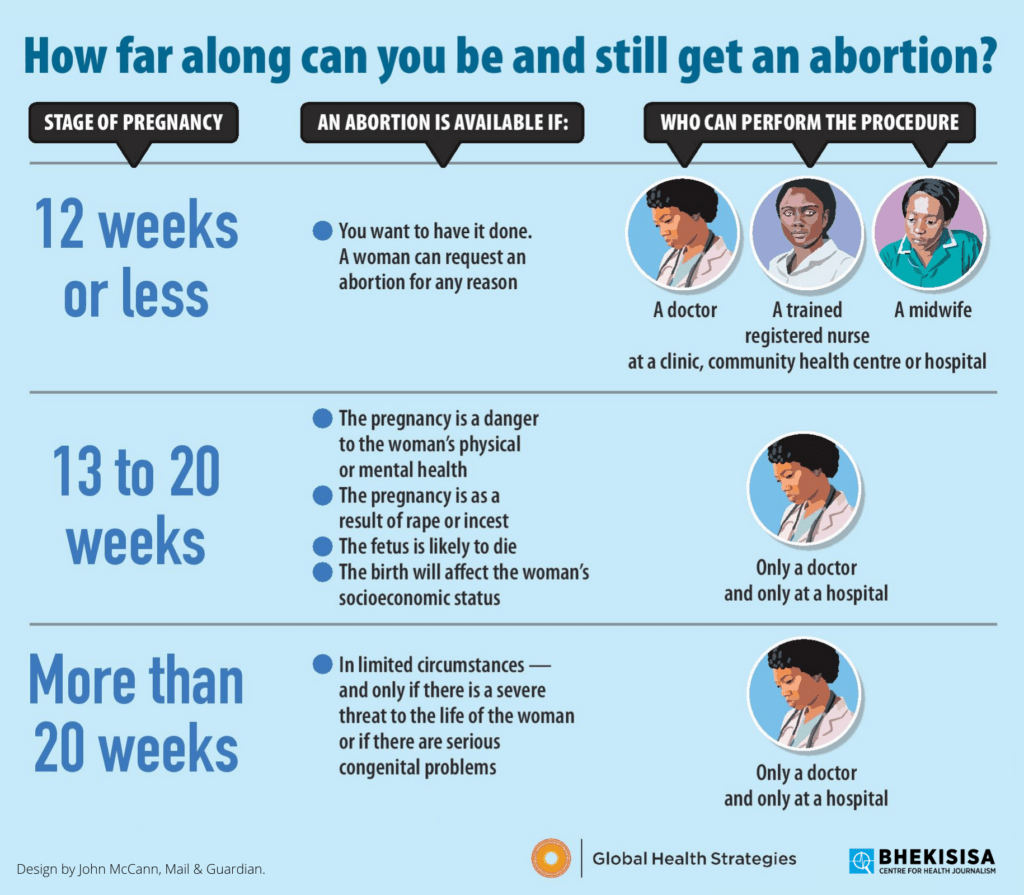
In South Africa, a pregnancy can be legally terminated up to 20 weeks under the Choice on Termination of Pregnancy Act (Act No. 92 of 1996). The law states that every woman has the right to choose to terminate a pregnancy for any reason in the first 12 weeks.
From 13 to 20 weeks of pregnancy, abortion is permitted if specific conditions are met:
- The pregnancy is the result of rape or incest.
- Her own physical or mental health is at stake.
- The baby will have severe mental or physical abnormalities.
- She can’t provide for the baby due to her own social or financial circumstances.
How Does a Medical Abortion Work?
The process of a medical abortion begins with having a one on one consultation with a doctor or registered nurse at an abortion office or can even be conducted via a Tele-abortion consultation. The steps followed may differ slightly from we shall list here but might involve:-
- Confirming the pregnancy.
- Urine tests / ultrasound scan may be done.
- You will then be briefed on how the abortion process works.
What happens during a medical abortion?
Step 1
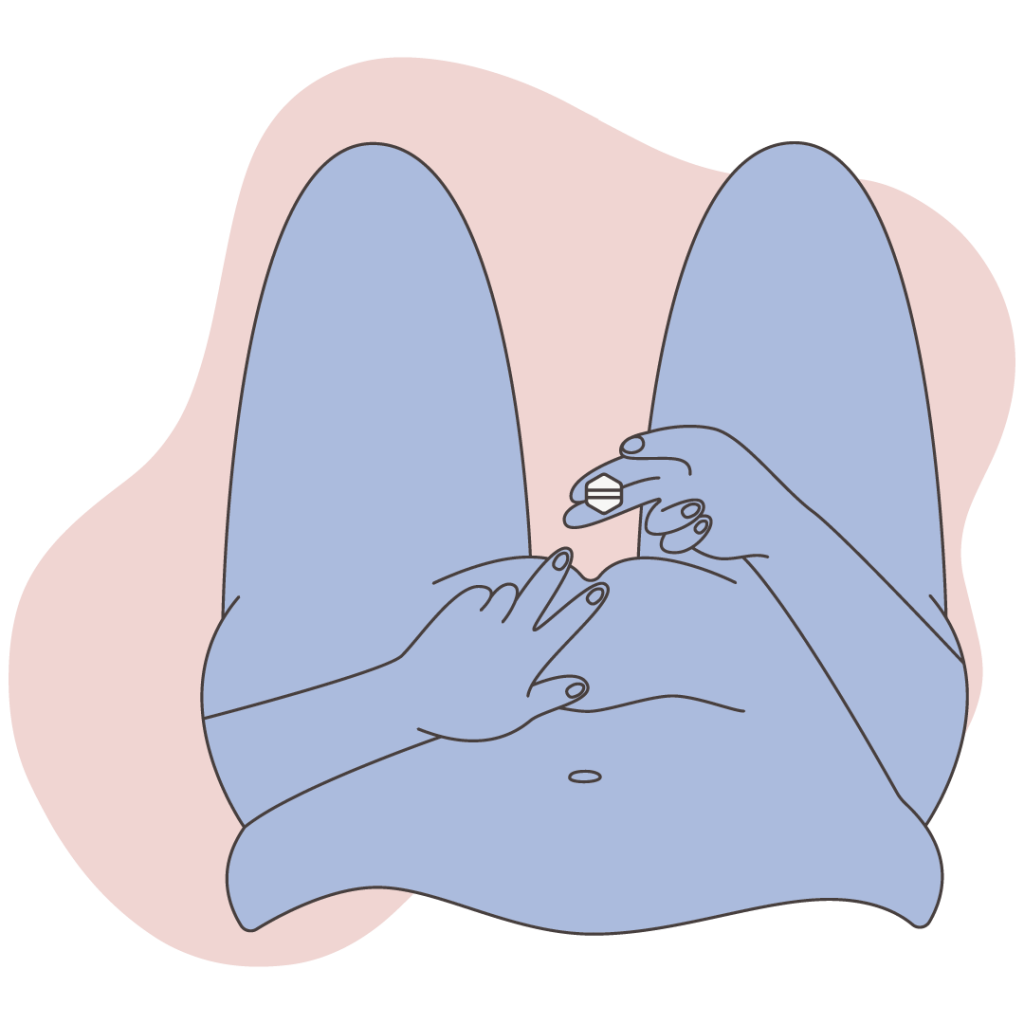
You will start by taking mifepristone (Mifeprex® or RU-486). It can be dissolved under the tongue or swallowed with water.
This medicine works by blocking the hormone progesterone, which is needed for the pregnancy to continue. Without progesterone, the uterine lining thins, and the pregnancy cannot stay attached.

Step 2
Within 24 to 48 hours, you then take misoprostol, which is usually inserted vaginally for effectivness. Misoprostol (Cytotec®) causes your uterus to contract, and expel the pregnancy.
You will then be required to stay relaxed and wait for the medicine too start working.
Step 3
After both steps are done, you might expercience nausea, vomiting, and cramping similar to period pains. These are temporary and usually gradually go away on their own. Bleeding is expected within 4 to 6 hours, although it can vary from person to person.
📌 Learn More :- How Does a Medical Abortion Work ? ↗
Telehealth Medical Abortion
A telehealth medical abortion allows you to have an abortion without going to the clinic in person. The consultation is done privately by phone, video call, or secure messaging with a trained nurse or doctor.
It is simply another way to receive the same medical abortion care, using the same medication and safety standards as an in-clinic visit, with the abortion pills taken at home under medical guidance.
How Does Telehealth Abortion Work?
A telehealth medical abortion allows you to safely have an abortion at home while being supervised by a licensed nurse or doctor. The steps are:
1. Consultation: You talk to a licensed nurse or doctor by video, phone, or secure messaging. A few questions about the pregnancy and previous medical history will be asked to determine if you qualify.
2. Receive Medication: If eligible, the abortion medication—usually mifepristone, misoprostol, and antibiotics—will be mailed in discreet packaging to your preferred address.
3. Administer Medication: Detailed instructions on how to use the abortion pills will be included. It is always advisable to follow the instructions carefully.
4. Follow-up: Ongoing support is provided by the abortion provider via a 24/7 nursing line or messaging to manage side effects and answer any abortion-related questions.
To fully understand how a telehealth medical abortion works, see our guide: The Ultimate Telehealth Abortion Guide In South Africa For 2026 ↗
What Is the Effectiveness of Medical Abortion?
Medical abortion is highly effective when used within early weeks of pregnancy and in line with proper clinical guidelines. The combined use of mifepristone and misoprostol achieves a success rate of approximately 95–98% up to about 9 weeks of gestation, allowing most women to complete the process without additional abortion medication.
Effectiveness is influenced primarily by gestational age:
- Up to 8 weeks:- ~ 94-98% effective.
- 8 to 9 weeks:- ~94-96% effective.
- 9 to 10 weeks:- ~91-93% effective.
- 10 – 11 weeks:- ~87% effective. ( An extra dose may be required)
Factors that affect effectiveness
- Gestation:- Effectiveness slightly reduces as the pregnancy matures.
- Medication:- The combination of mifepristone and misoprostol is more effective than using misoprostol alone.
- Follow-up Appointment:- Follow-up care ensures incomplete or failed abortions are detected and treated early, which improves overall success and safety.
In cases of incomplete abortion, an additional dose of misoprostol may be recommended, or a surgical procedure may be performed, depending on the assessment of the abortion provider.
What Are the Side Effects of Abortion?
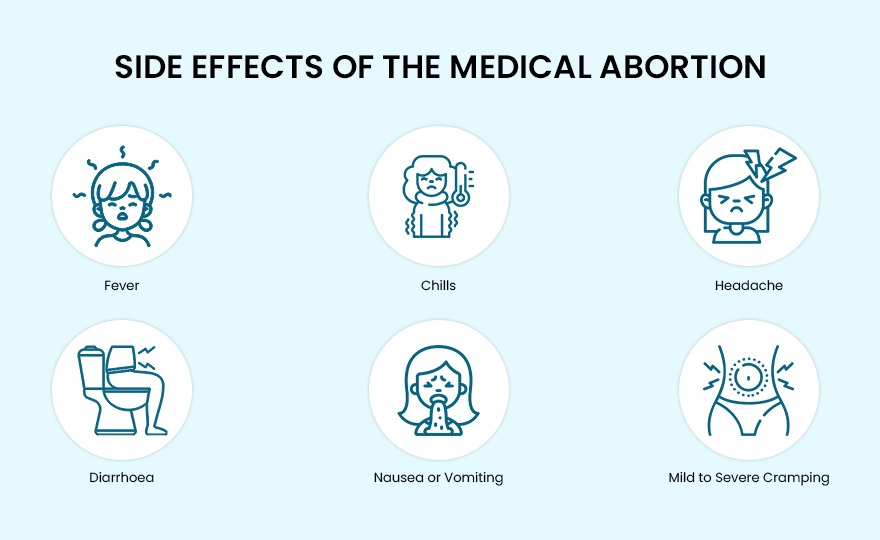
During the termination, nearly every woman encounters a range of side effects resulting from medication, and it is important to recognize that the side effects of abortion can vary significantly from one individual to another. The side effects might include:-
- Nausea
- chills
- Fever
- Vomiting
- Diarrhea
- Severe to mild cramping
How does passing an abortion look like?
Passing an abortion usually looks like a heavy period and may include cramping as the uterus empties. You may also see blood clots and some pregnancy tissue.
Possible Risks of a Medical Abortion
Abortions, when performed by trained medical professionals and at the correct gestation period, are considered very low-risk procedures. However, the likelihood of complications / abortion risks increases as the pregnancy progresses and is significantly higher in cases of unsafe or illegal abortions. Possible abortion risks might include:
- Infections.
- Incomplete abortion.
- Future preterm births.
- Or even death in rare cases.
📌 To Learn More Read :- The Common Risks of Abortion ↗
Why Is Medical Abortion Preferred?
Medical abortion is a common choice in South Africa because it’s a simple and safe way to end an early pregnancy. Other key reasons for its preference include:-
- No anaesthetic is needed.
- It carries more risks compared to surgical abortions
- It’s offers more privacy and be self-managed at home.
- It feels more natural similar to having a heavy period or miscarriage.
- Medical abortions are more affordable compared to surgical procedures.
The choice between a medical and surgical abortion is a personal choice usually based on individual circumstances and previous medical history. To learn more read our blog post on the best abortion method for you.
Does medical abortion affect fertility?
No, medical abortion does not cause long-term fertility problems. According to current medical evidence, an uncomplicated medical abortion also does not increase the risk of ectopic pregnancy or breast cancer.
Post-Abortion Care
After terminating a pregnancy medically, taking care of your overall health is important for a smooth recovery. Following medical instructions and attending any recommended follow-up helps reduce risks and supports healing. Recovering from abortion may look different for each person, but the first stage of recovery focuses on how your body heals physically.
Physical Recovery
- Resting:- Rest as much as you can for the first 24-48 hours if possible.
- Pain management:- Only use over the counter medications like ibuprofen / acetaminophen.
- Hydration and Nutrition:- Eat nourishing foods, drink plenty of water and diluted drinks.
- Daily activities:- Avoid strenuous activities, exercises or lifting heavy items.
- Hygiene:- Avoid tampons. Use sanitary to monitor the bleeding patterns.
- Breast care:- Wear supportive bras and use ice pack to reduce breast tenderness.
Emotional Support
Acknowledge Feelings: It is normal to feel several emotions, such as sadness, anger, or relief. Studies show that while some people feel uncomfortable or mixed emotions after an abortion, most still believe it was the right decision for them.
- Seek support: If you are finding it hard to cope, talk to a trusted friend, family member, or a mental health professional. Give yourself time to work through your feelings, ask for support when you need it, and do things that help you relax and feel better.
Recovery experiences differ, and some symptoms may need closer attention. For detailed information on warning signs, recovery timelines, and follow-up care, visit our Post-Abortion Care Guide ↗
When to Start Birth Control after an Abortion
You can become pregnant again very soon after an abortion. If you want to avoid pregnancy, it is important to start using birth control right away. In most cases, contraception can be started on the same day as the abortion.
Common Contraception Options
- Barrier methods: Condoms can be used as soon as you feel ready to have sex again.
- Intrauterine devices (IUDs): An IUD can be inserted immediately after an abortion. Some research suggests a slightly higher chance of expulsion, but this is uncommon.
- Hormonal pills: Birth control pills such as Yasmin or Triphasil can usually be started on the same day for effective protection.
How Much Does Medical Abortion Cost Out of Pocket?
Out-of-pocket costs for medical abortion in South Africa varies from R1000 – R2230 depending on the provider, the stage of pregnancy, extra care included in the service (ultrasounds or follow-up visits) and confidential delivery of abortion medication by some abortion clinics. In the public hospitals and clinics abortion is free.
Private Clinics
Abortion prices at private clinics vary depending on how many weeks pregnant a woman is. Most private clinics in South Africa provide abortion services up to 12 weeks of gestation
- Carlton Women’s Clinic Johannesburg is a private abortion provider in South Africa that offers in-clinic abortions and telemedicine (at-home abortion) option. Women can consult confidentially online, and if they meet the medical requirements, abortion pills are couriered in discreet packaging. Prices typically range from R1,000 to R1,600, depending on the stage of pregnancy.
Public Healthcare
Free medical abortion services are available at certain public hospitals and clinics in South Africa. Patients must meet specific eligibility requirements to qualify.
Where to Seek Medical Abortion Services in SA
When deciding where to safely have an abortion done, you have several options depending on your location and preference for public or private care. Below are reputable abortion providers you can contact online or in person.
Telemedicine
Telemedicine is a safe and legal way to access abortion services without visiting a clinic. Patients consult medical professionals remotely, by phone, video call, or secure messaging. A telemedicine consultation is an ideal option is ideal for those who live far from clinics, have limited time, prefer privacy, or cannot easily travel.
Private providers
Private pregnancy termination clinics play an important role in expanding access to abortion services. Private abortion clinics provide confidential abortion care usually at a fee in a professional medical setting and are staffed by trained healthcare practitioners.
Public hospitals
In South Africa, safe abortion services are available for free at government hospitals and public health clinics. However, you will need to get a referral letter from your local clinic to one that offers pregnancy termination services.
Medical Abortion vs Other Abortion Methods
When it comes to abortion procedures, both medical, which uses medication to end a pregnancy, and surgical, which removes the pregnancy through a clinical procedure, they are considered safe and effective when provided by trained healthcare professionals and performed within approved medical guidelines. The choice between the two often depends on:-
- Personal preference
- How far along the pregnancy is.
- How quickly can you access emergency care?
Many women choose medical abortion for its privacy and ability to manage the process at home, while others prefer surgical because its quick and completed under direct medical supervision. To learn more between both procedures, read our guide on choosing medical abortion vs surgical abortion ↗
What is an unsafe abortion?
An unsafe abortion is any attempt to end a pregnancy using unapproved methods, incorrect medication, or without trained medical supervision, which can lead to serious health complications.
Myths and Facts About Medical Abortion in South Africa
There is a misinformation about medical abortion in South Africa, mostly regarding its safety, fertility, and long-term effects on health. Many of these myths on abortion are filled with unfounded fears and prevent people from seeking safe and legal abortion care.
Medication abortion is medically approved and widely used for the termination of early pregnancies in South Africa, provided it is administered under national and international medical guidelines. The majority of medical evidences are that it does not cause any long-term mental or physical health harms and does not affect the ability to become pregnant in the future.
To help sift the facts from the fictions, we have created a dedicated guide that will address some of the most common myths and facts on medical abortion in the South African context. ↗
Additional Resources and Support
ermination of pregnancy is a complex
Conclusion
ermination of pregnancy is a complex
More Useful Content
Terminating a pregnancy with abortion pills is safe and straightforward when you have accurate information. The articles below cover costs, possible side effects, and how to find trusted providers, helping you explore key topics in more detail and make informed decisions with confidence.


Abortion Pill Side Effects
Understand common side effects, what is normal, and when to seek medical help.

Find Abortion Pill Providers
Learn how to identify licensed abortion pill clinics and safe telemedicine providers.
 Dr. Nelisiwe Mbele, with the
Carlton Women’s Clinic
Team
Dr. Nelisiwe Mbele, with the
Carlton Women’s Clinic
Team
Share with friends!
- World Health Organization. (n.d.). Abortion Care Guideline. Retrieved from https://www.who.int/publications/i/item/9789240039483
- National Department of Health South Africa. (2021). Choice on Termination of Pregnancy Guidelines. Retrieved from https://www.health.gov.za/wp-content/uploads/2023/04/Termination-Pregnancy-Guideline_Final_2021.pdf
- U.S. Food & Drug Administration. (n.d.). Mifepristone for Medical Termination of Pregnancy. Retrieved from https://www.fda.gov/drugs/postmarket-drug-safety-information-patients-and-providers/questions-and-answers-mifepristone-medical-termination-pregnancy-through-ten-weeks-gestation
- Yashoda Hospitals. (n.d.). Misoprostol – Uses and Safety. Retrieved from https://www.yashodahospitals.com/medicine-faqs/misoprostol/
- PMC. (n.d.). Consent and Abortion Care in South Africa. Retrieved from https://pmc.ncbi.nlm.nih.gov/articles/PMC8378188/
- PubMed. (2020). Efficacy of Mifepristone–Misoprostol Regimens. Retrieved from https://pubmed.ncbi.nlm.nih.gov/32912726/
- UCSF Health. (n.d.). Coping With Nausea and Discomfort. Retrieved from https://www.ucsfhealth.org/education/coping-with-common-discomforts-of-pregnancy
- 132 Healthwise. (n.d.). Difference Between Pregnancy Termination and Miscarriage. Retrieved from https://www.132healthwise.com/difference-between-pregnancy-termination-and-miscarriage.php
- Healthline. (n.d.). Emotional Health After Abortion. Retrieved from https://www.healthline.com/health/post-abortion-syndrome
- Southern Africa Litigation Centre. (2020). Access to Abortion Services in South Africa. Retrieved from https://srjc.org.za/2020/08/20/do-we-need-the-law-to-provide-for-a-regular-clinical-medical-procedure-such-as-abortion/
- Amnesty International. (2018). Barriers to Safe Abortion Access in South Africa. Retrieved from https://www.amnesty.org/en/wp-content/uploads/2022/12/AFR5389802018ENGLISH.pdf